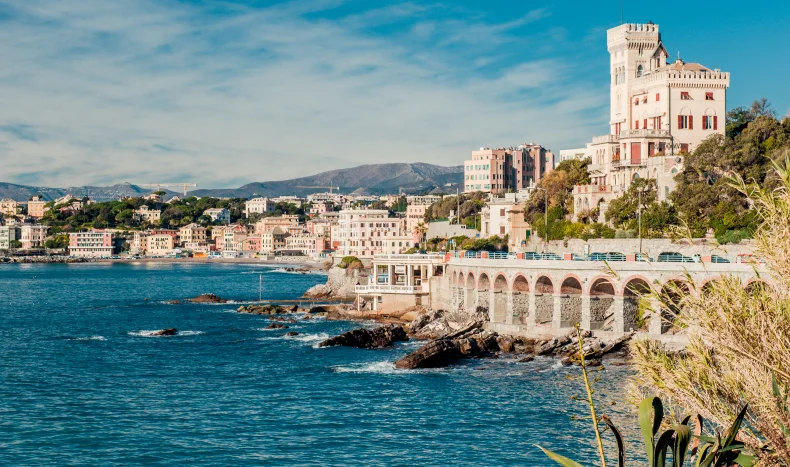

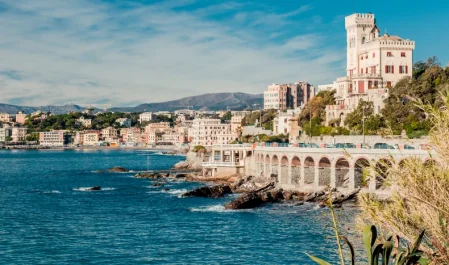
Genoa is one of Italy's most fascinating coastal cities. Overlooking the Ligurian Sea, it has long been a gateway between Europe and Mediterranean destinations, shaping its identity as a city of trade and exploration.
Visitors quickly discover that the city's historic center is one of the largest in Europe. Here, you'll find narrow alleyways known as caruggi, which open up into elegant squares and bustling markets. The city blends medieval charm with Renaissance splendor, along with a hint of modern elegance.
Genoa is known for its thriving culinary scene, particularly its claim as the home of pesto. At the time of writing, there were three 1-Michelin-starred restaurants in the city, including The Cook (an interesting name), II Marin, and San Giorgio. However, don't let the Michelin rating limit your culinary exploration. There's no shortage of eateries that serve delightful cuisine here.
The city offers a balance of culture, seaside relaxation, and an authentic atmosphere. Italian explorer Christopher Columbus was born in Genoa, and its maritime republic past still resonates through harbors, palaces, and winding medieval streets.
Genoa may not have the fame of the Amalfi Coast or the ancient treasures of Rome, but it is a great place to start your exploration of the Mediterranean. But before you head for Corsica or Sardinia, explore a few of the following attractions in the city.
Things to Do
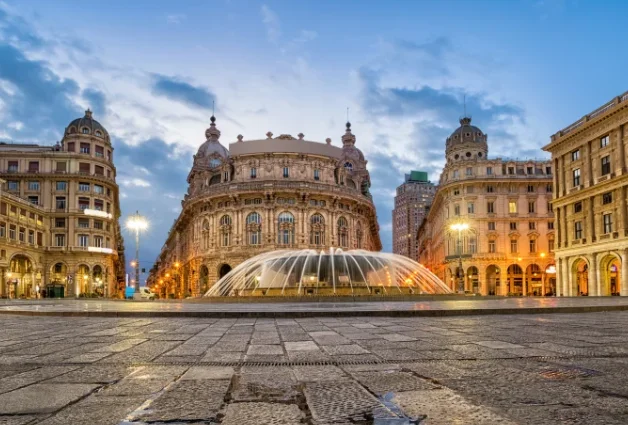
Piazza De Ferrari
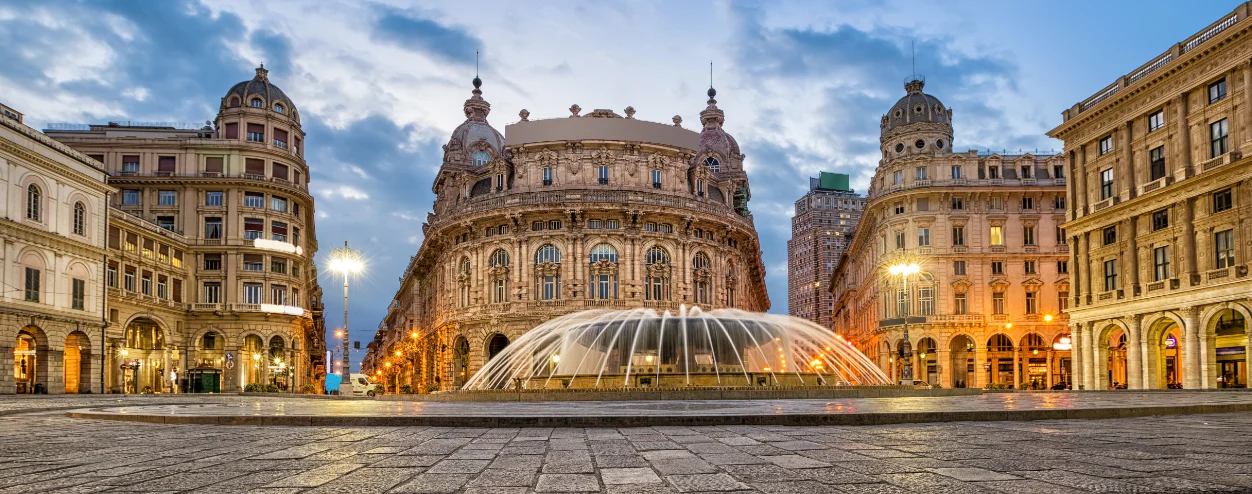
Piazza De Ferrari is the main square where locals and visitors gather. Its most prominent feature is the grand bronze fountain, which has become a symbol of the city. The square is a good place to start your exploration, as many of the city's best-known buildings are nearby. These include the Palace of the Doges, Carlo Felice Theatre, and the Ligurian Academy of Fine Arts.

The piazza also serves as a key meeting point and event hub. Festivals, concerts, and civic celebrations are frequently held here, so you may be lucky enough to catch one of the most interesting ones.
Palazzi dei Rolli
Palazzi dei Rolli is a collection of noble residences that formed a unique system in Genoa's history. When state guests arrived, the city would "roll" the dice to determine which family would host them in their palace.
Many of these palaces are now open to the public, offering insights into the grandeur of Genoese life during the Renaissance. Visitors can explore frescoed halls, intricate staircases, and grand salons that once welcomed ambassadors and aristocrats.
Genoa Aquarium
The Genoa Aquarium is one of the largest in Europe and a centerpiece of Porto Antico. With more than 70 tanks and thousands of marine species, it boasts a diverse array of marine life, ranging from sharks and dolphins to tropical fish and rare jellyfish.

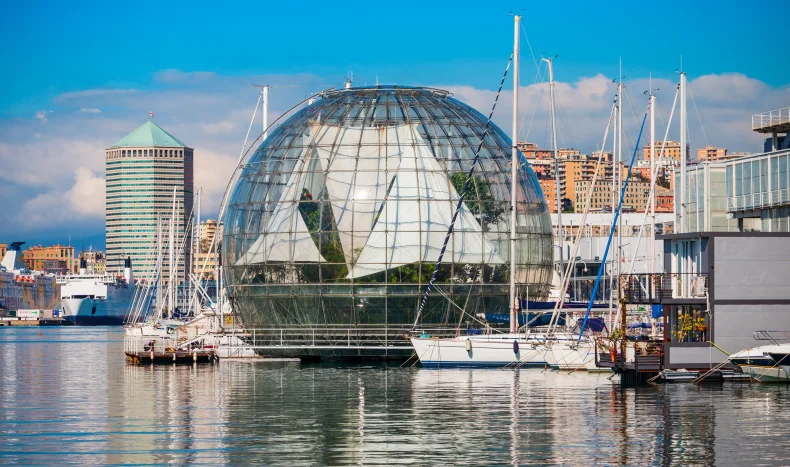
Visitors can spend hours exploring exhibits that recreate marine environments, from the Mediterranean to the Caribbean. It is entertaining and educational, underscoring Genoa's ties to the sea. Before you leave, be sure to visit the Biosphere Globe, located right next to the aquarium. It looks similar to the Seattle Spheres.
Old Harbour
Once the working port of the city, the Old Harbour (Porto Antico) was transformed by architect Renzo Piano into a waterfront hub. The promenade along the harbor is lined with cafés and shops. It is the perfect place for an evening stroll.

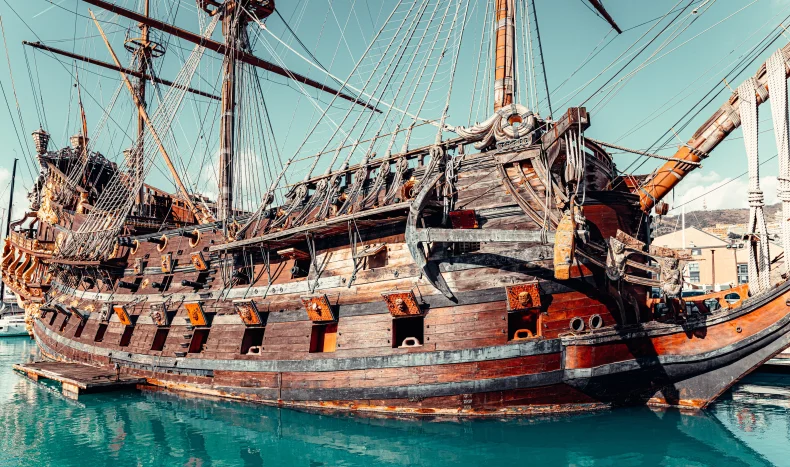
The Old Harbour captures Genoa's enduring maritime soul. Fans of the 1986 movie Pirates should stop by the Galeone Neptune pirate ship at the harbor. The ship was built for the movie and now serves as a tourist attraction.
Porta Soprana
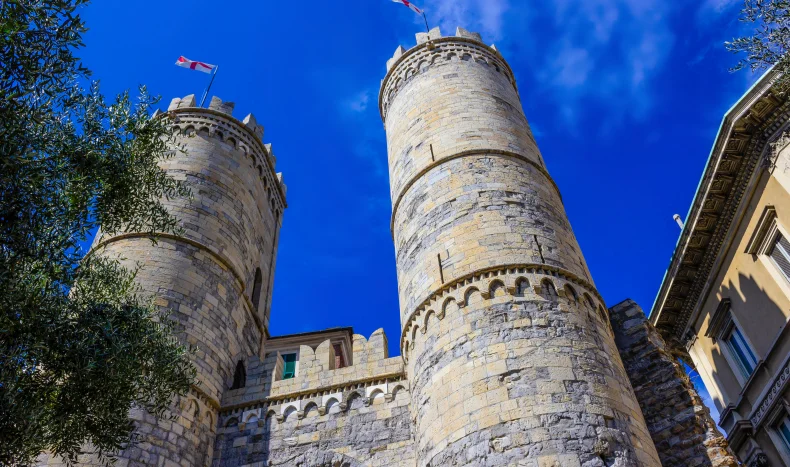
Porta Soprana has two impressive medieval towers, which once guarded the entrance to Genoa's walled city. Walking through this historic gate is like stepping back into the 12th century. It's one of many 'Dr Who' moments you'll have while exploring the city.

Located near the house of Christopher Columbus, the gateway makes for an evocative landmark to explore, and it provides a vivid sense of Genoa's medieval fortifications. Visitors often pause here to take photos before continuing into the maze of narrow alleyways that define the old town.
Villa Durazzo Pallavicini
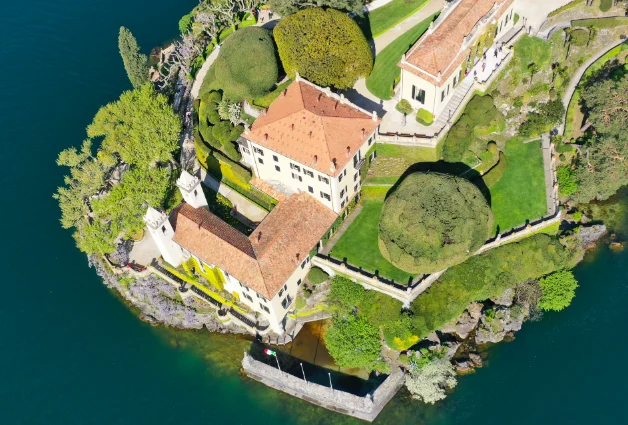
Tucked away in the Pegli district, Villa Durazzo Pallavicini is renowned for its 19th-century gardens. Considered one of Italy's most beautiful landscape designs, the grounds are structured as a theatrical journey, complete with grottoes, waterfalls, and winding trails.
The villa's botanical richness makes it ideal for an afternoon stroll, while its sweeping vistas over the sea add a tranquil charm. It's a place where art, nature, and imagination merge in harmony.
Palazzo Ducale
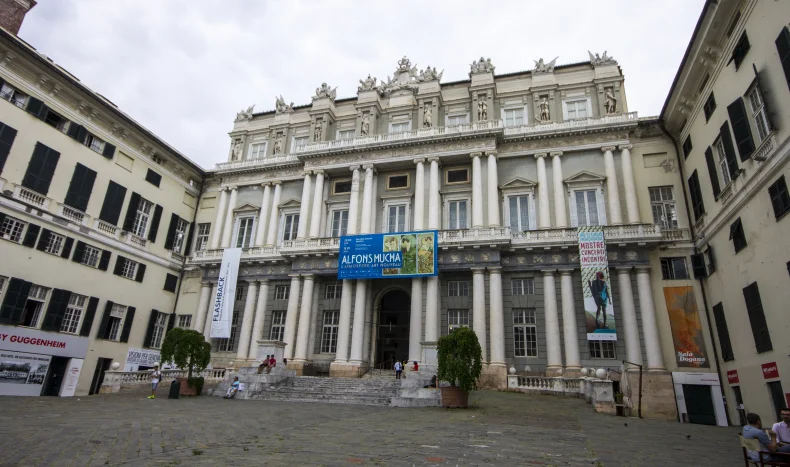
One of Genoa's best-known landmarks, the Palazzo Ducale, was once the seat of power for the Doges who governed the Republic of Genoa. Built in the late Middle Ages and expanded during the Renaissance, the palace embodies the grandeur of Genoa's golden age. Inside, richly decorated halls and chambers take visitors back to the height of Genoa's prominence.

Palazzo Ducale is now a thriving cultural hub, rather than the seat of government. It hosts major art exhibitions, conferences, and events that attract visitors from around the world.
Arco della Vittoria
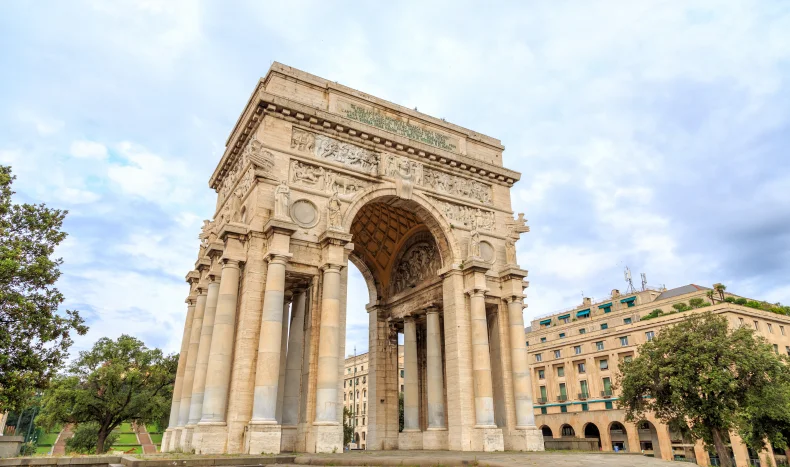
Arco della Vittoria dominates Piazza della Vittoria, built in remembrance of the Genoese soldiers who fell during World War I. The arch was built in 1930 and has a striking scale and detailed sculptures at the top. If you're familiar with Milan, you will notice that the arch is similar to Arco della Pace in Parco Sempione. You could argue that Arco della Vittoria is more impressive.

Beyond being a solemn memorial, it is a popular landmark in a lively square. Photographers find it especially rewarding thanks to its symmetry and the contrast it provides to the modern buildings around it.
Via Garibaldi
Via Garibaldi is a UNESCO World Heritage site. It is a pedestrian street lined with Renaissance and Baroque palaces once owned by Genoa's most powerful families. Many of the buildings now house art museums like Palazzo Rosso and Palazzo Bianco. Palazzo Bianco features work by masters including Caravaggio, Rubens, and Van Dyck.
Cattedrale di San Lorenzo (San Lorenzo Cathedral)
The San Lorenzo Cathedral is a striking mix of Romanesque and Gothic architecture, easily recognized by its alternating black-and-white striped façade. The cathedral houses artistic treasures, including Renaissance frescoes and the sacred relic of the Holy Chalice.
Standing within the cathedral, visitors gain a tangible sense of the artistry that shaped Genoa's identity over centuries.
The church is located east of Piazza San Lorenzo, where you'll find souvenir shops and plenty of places to try out local cuisine. That makes it the ideal spot to take a break from your tour.
Palazzo San Giorgio
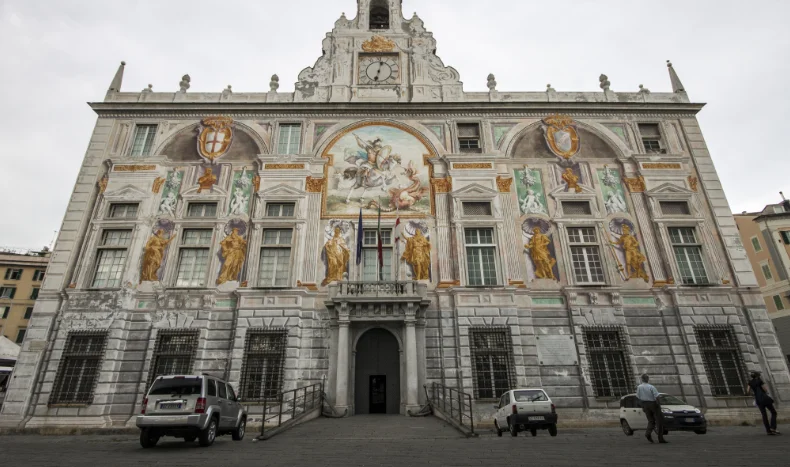
Palazzo San Giorgio is one of Genoa's most emblematic buildings. Constructed in the 13th century, it once served as the headquarters of the Bank of Saint George, one of the earliest financial institutions in Europe.

Its frescoed façade is imposing, and the building's history is closely tied to Genoa's role as a Mediterranean trading powerhouse.
Where to Stay
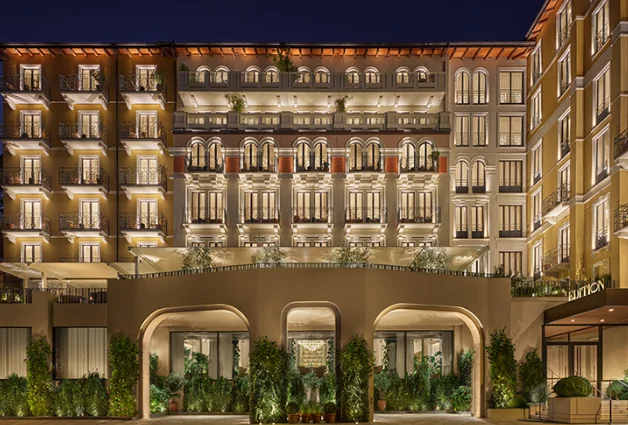
Grand Hotel Savoia is one of Genoa's premier addresses. Located northeast of Piazza Acquaverde, a square with a prominent Christopher Columbus monument, the hotel blends classic elegance with modern comforts. It's also about a minute away from the old harbor.
Its rooms and suites offer refined décor, while wellness options include the Spa La Spiaggia Segreta, where the Turkish bath, hot tub, and wooden biosuana await to spoil you.
When it's time to dine, you will be well served at either Ristorante Salgari or Trattoria Tralalero, both of which offer some of the best Ligurian cuisine you can find.
The icing on the cake is the rooftop terrace, where you can take in panoramic views of the city while enjoying chef-prepared treats with a glass of wine or a cocktail.
How to Get There
Genoa is well-connected by air, rail, and road. Cristoforo Colombo Airport serves international and domestic flights and is just a short drive from the city center. High-speed trains link Genoa with Milan, Turin, Florence, and Rome, while the port welcomes ferries and cruise ships.
If you're driving along the Italian Riviera, Genoa makes an ideal stop between the Côte d'Azur and Tuscany. The views make the trip worth every minute.
Set-Jetting: Film & TV References

View the article image gallery