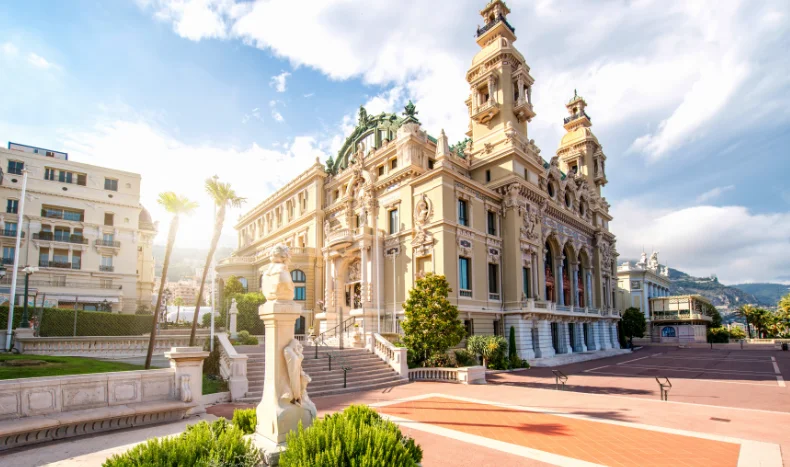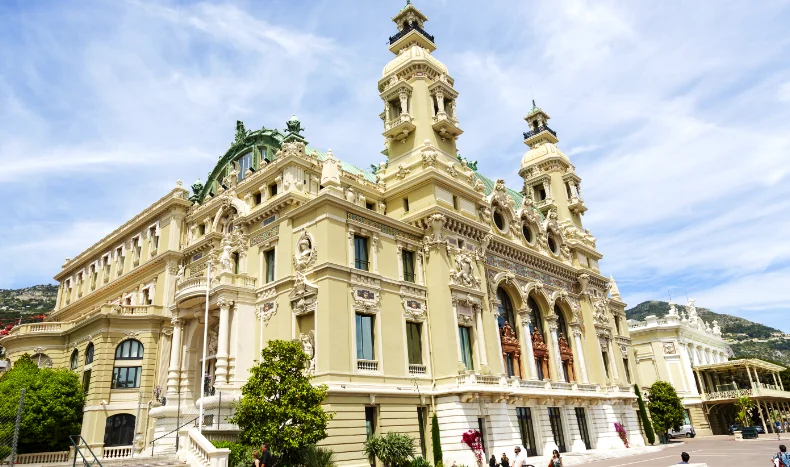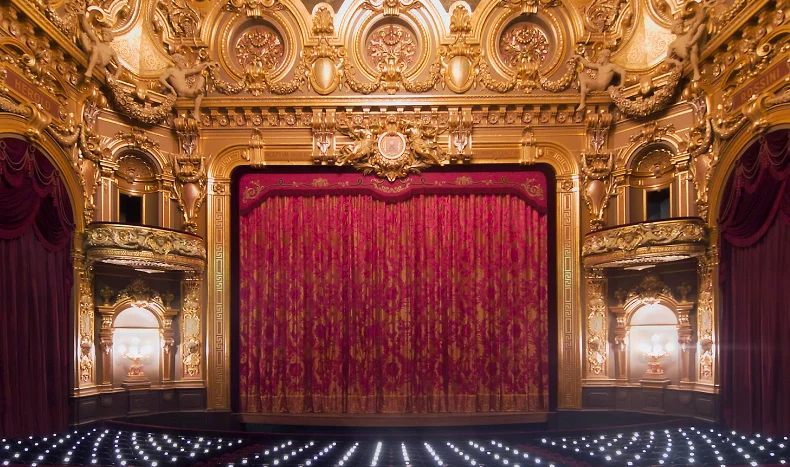
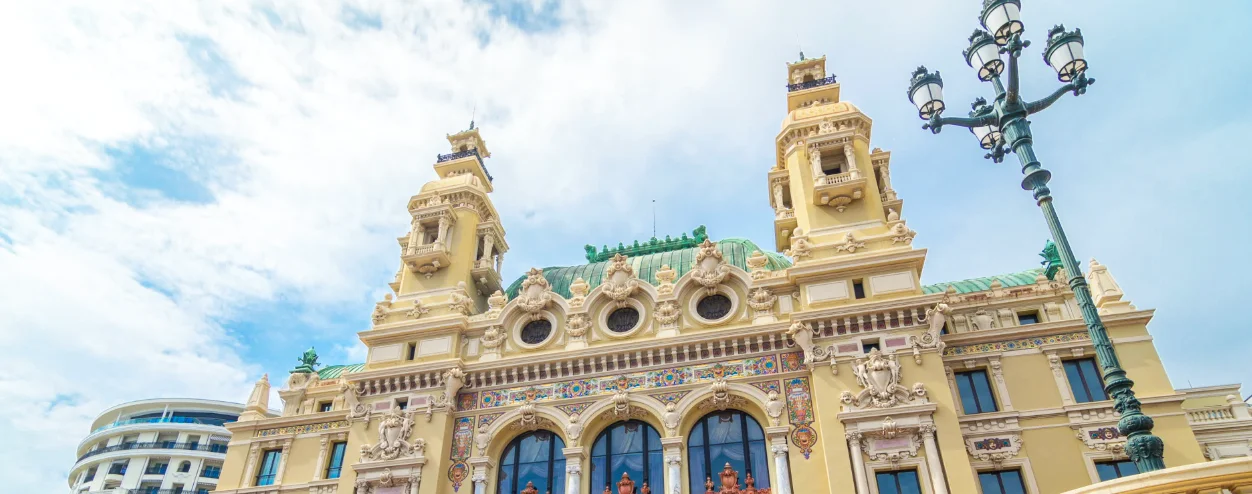




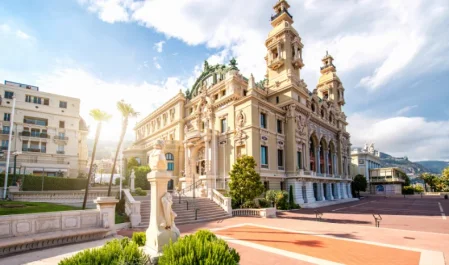
A lesser-known spot in Monte Carlo (relatively speaking), Opéra de Monte-Carlo is one of Europe’s most distinctive opera houses. Housed within the famed Casino de Monte-Carlo complex, its jewel-like auditorium, Salle Garnier, combines Belle Époque elegance with remarkably close acoustics to bring audiences within a few feet of international stars.
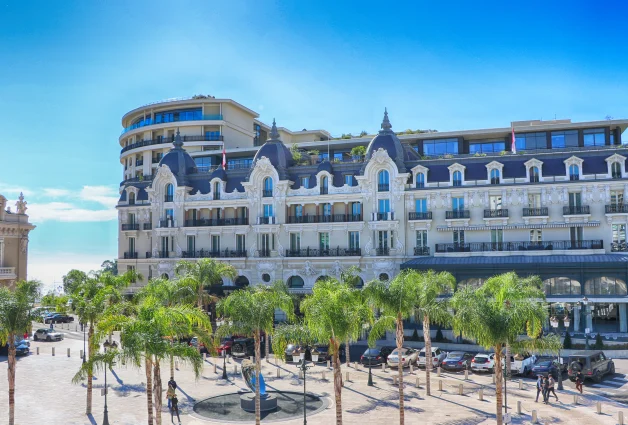
The opera house is currently backed by Swiss watchmaker Rolex, the main sponsor. It also has institutional partners, including Société des Bains de Mer (SBM). SBM owns many of Monaco’s prime properties, including Casino de Monte Carlo and Hotel de Paris.
Though the opera house is smaller than those in Paris, Vienna, and Milan, it has consistently balanced tradition with individuality through a thoughtfully scaled season, high musical standards, and an atmosphere that makes every performance memorable.
For visitors to the Principality, the house offers world-class opera in a setting that is walkable to the port, major hotels, and the Principality’s other cultural venues. The experience feels curated with efficient access, elegant foyers, and a sense of ceremony from the first step onto Place du Casino to the final curtain call.
Location and Architecture
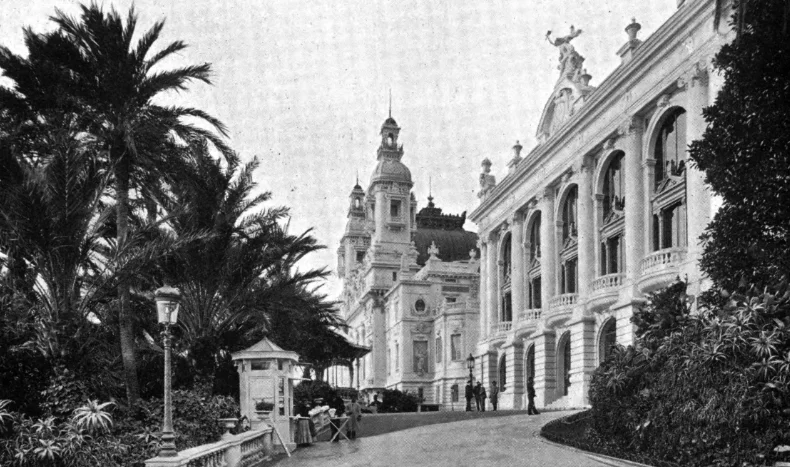
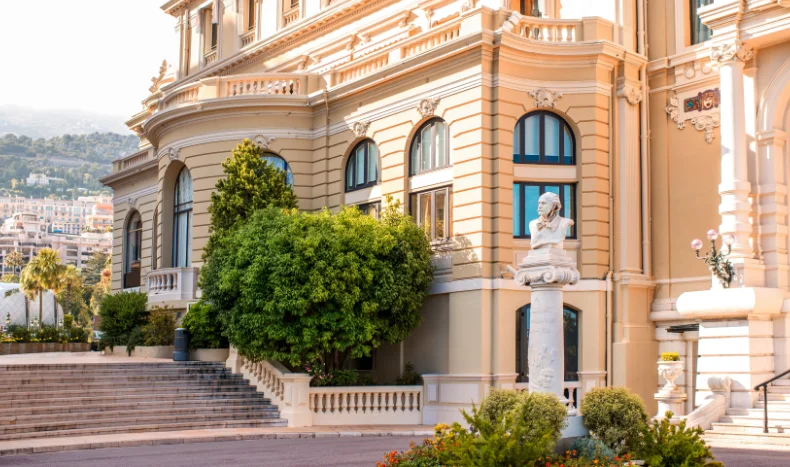
The opéra house sits within the same building as Casino de Monte-Carlo, steps from Place du Casino and a short stroll from Port Hercules. Arriving patrons pass façades and gardens that epitomize the Belle Époque vision, ornate yet cohesive.

Inside, the Salle Garnier is all warm wood, gilding, mirrors, and painted ceilings, an opulent envelope for music that never overwhelms the stage. The design prioritizes sightlines and balance, so even seats near the back retain intimacy and acoustic presence.
Architectural purists appreciate how architect Charles Garnier tailored his Parisian ideas to Monaco, reducing scale without sacrificing proportion, and framing the proscenium to anchor dramatic focus.
Brief History
Opéra de Monte-Carlo emerged from Monaco’s late 19th-century transformation as the Principality defined a modern cultural identity. Charles Garnier, already celebrated for the Palais Garnier in Paris, was invited to design a theater worthy of the era’s ambitions. The Salle Garnier opened in 1879 and soon after began hosting performances that drew Europe’s elite.

Over time, Opéra de Monte-Carlo has drawn leading singers and conductors and has hosted numerous world premieres, including Ravel’s L’Enfant et les sortilèges (1925) and Puccini’s La rondine (1917). Its seasons mix fully staged operas with recitals, concerts and semi-staged presentations, a blend reflected in recent programs.
Refurbishments over the years have preserved the original character while improving comfort and stagecraft. This has ensured the room remains historically resonant and technically suitable for modern productions.
Current Performances
Today, the opera house has a curated season that typically includes cornerstone works by composers like Mozart, Verdi, and Puccini.
Because the hall seats a little over five hundred, productions are crafted for clarity and dramatic immediacy rather than sheer spectacle. The focus is on musical storytelling, crisp ensembles, and dramatic detail.
That intimacy has clear advantages. Even a classic like La traviata feels newly alive when the audience can see every gesture and hear the shading in a phrase. The company has long paired staged opera with recitals, chamber evenings, and concert versions, giving listeners a chance to experience voices and orchestral color in different formats.

Since 2023, Cecilia Bartoli has guided the opera house toward projects that use period instruments and performance styles from the composers’ eras. Many feature Les Musiciens du Prince, the opera’s orchestra founded in 2016. Casting is imaginative, from Baroque specialists to headline recital pairings. The company also collaborates with Monaco partners and venues. These collaborations align performances with the Principality’s broader cultural calendar.
Connection to Princess Caroline
H. R. H. Princess Caroline of Hanover has long been a central patron of Monaco’s cultural institutions. As Chair of the board, she has supported the house through periods of renewal and artistic transition, advocating for programming that keeps Monaco on the international cultural map.

Her announcement of Cecilia Bartoli’s directorship marked a milestone, as she is the first woman to lead the opera house and an artist whose career embodies excellence and broad appeal.
Princess Caroline’s broader cultural stewardship, spanning the Ballets de Monte-Carlo and various foundations, creates a cohesive ecosystem in which the opera can collaborate, share audiences, and develop educational initiatives. The result is an institution that feels rooted in Monaco’s identity, cosmopolitan and elegant, yet mindful of tradition.
You don’t need to be an opera enthusiast to appreciate Opéra de Monte-Carlo. This iconic venue offers more than just musical theater. It is a window into Monaco’s elegance, where architectural grandeur and artistic excellence converge in a setting that’s as captivating as the performances it hosts.


View the article image gallery