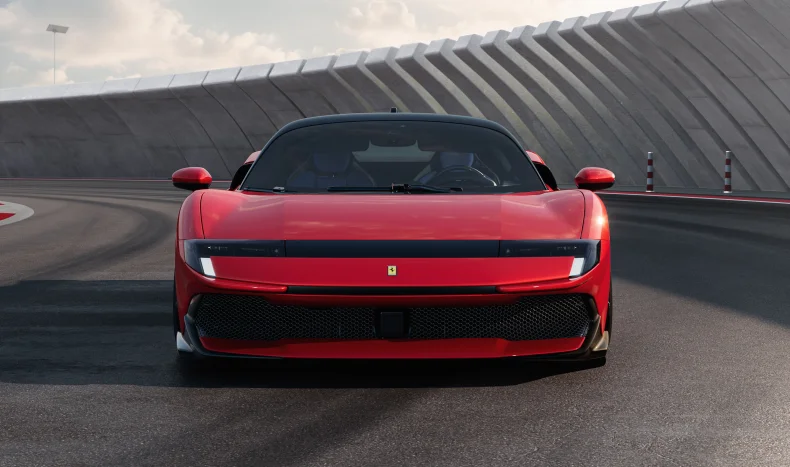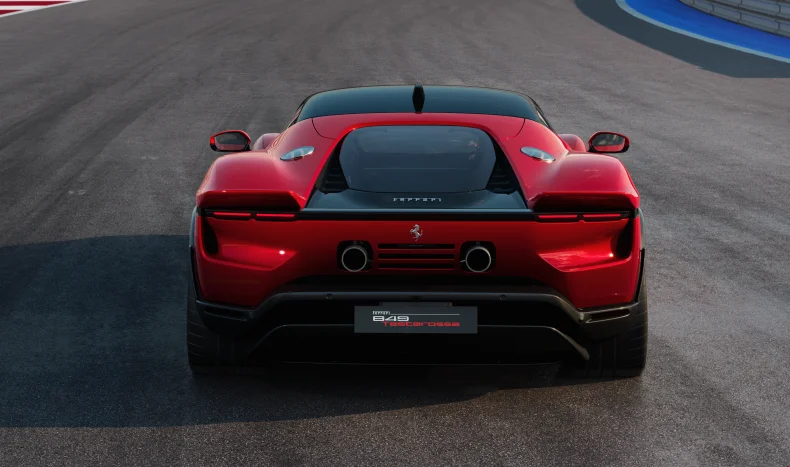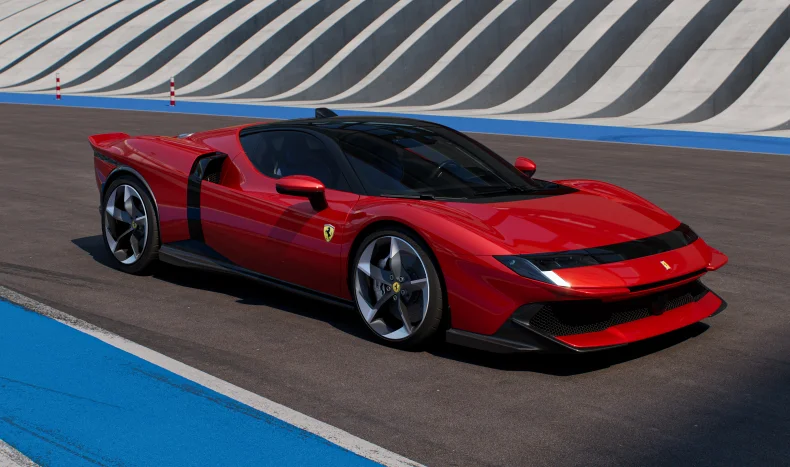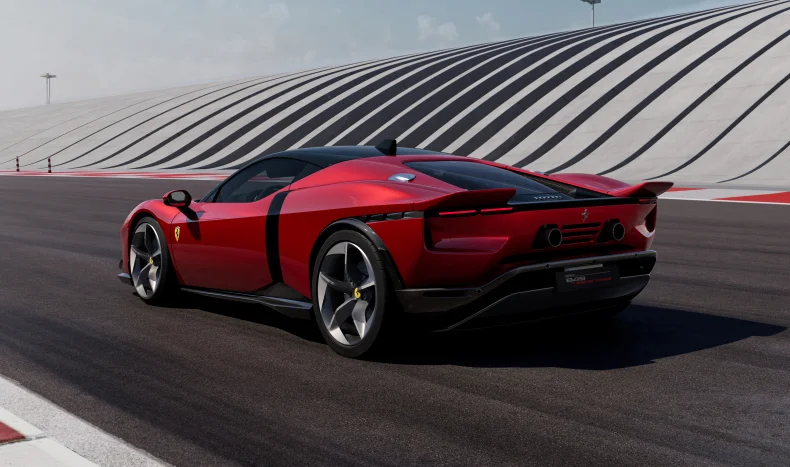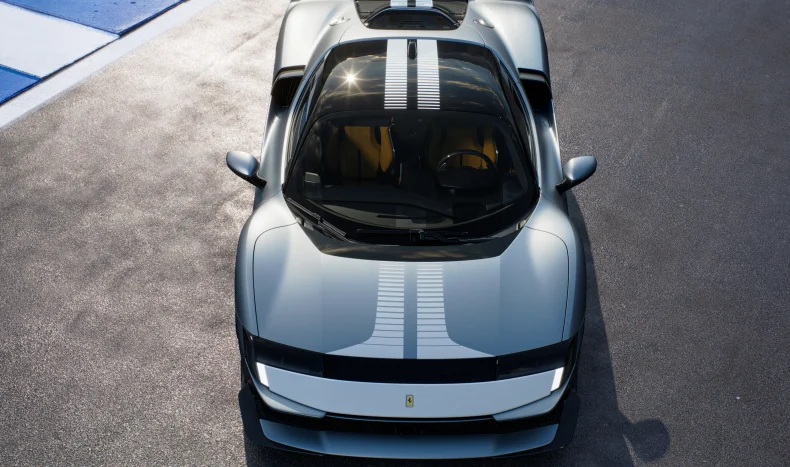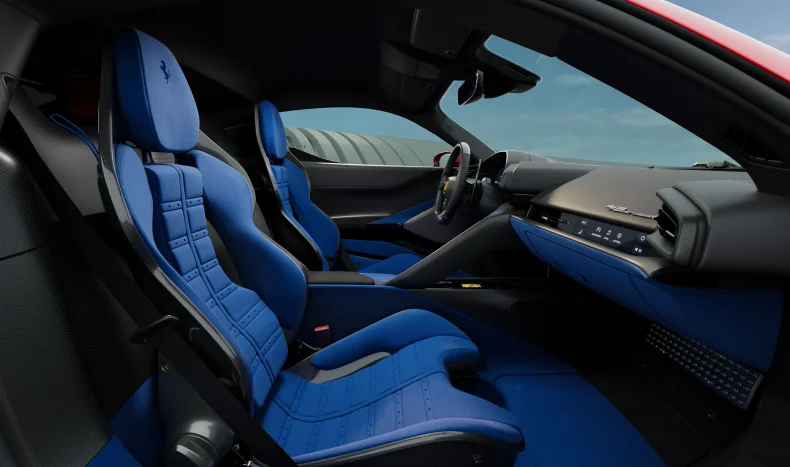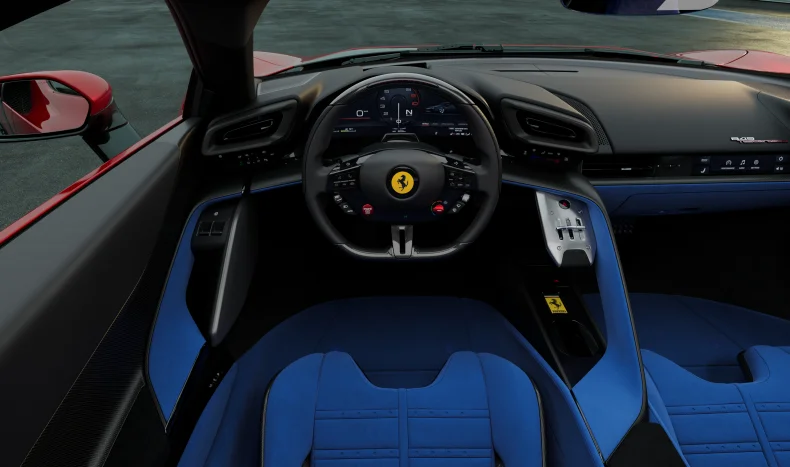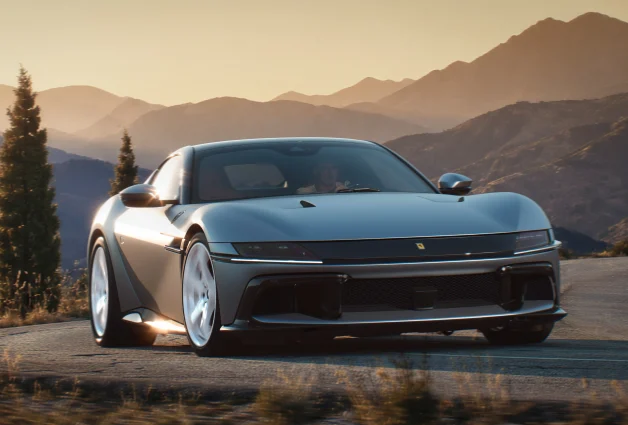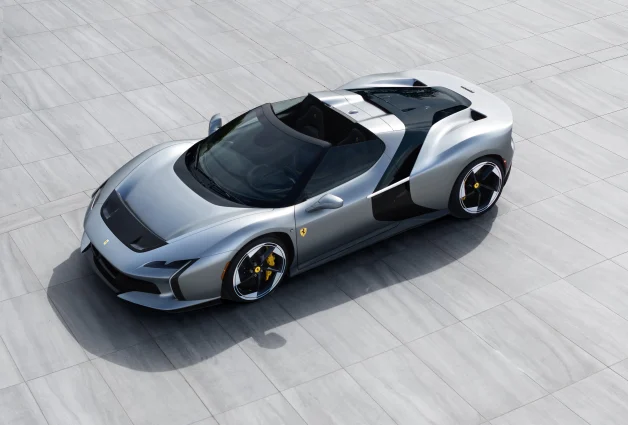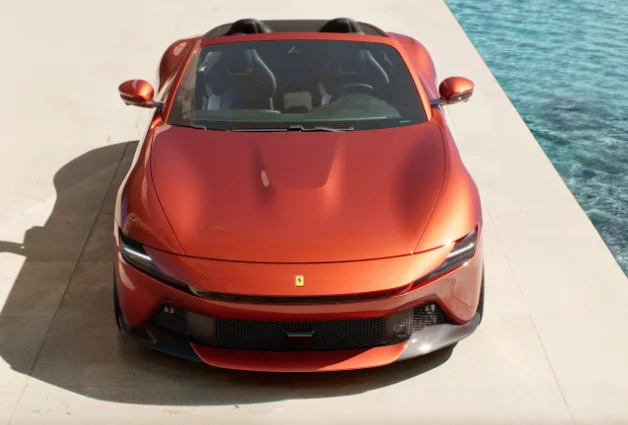
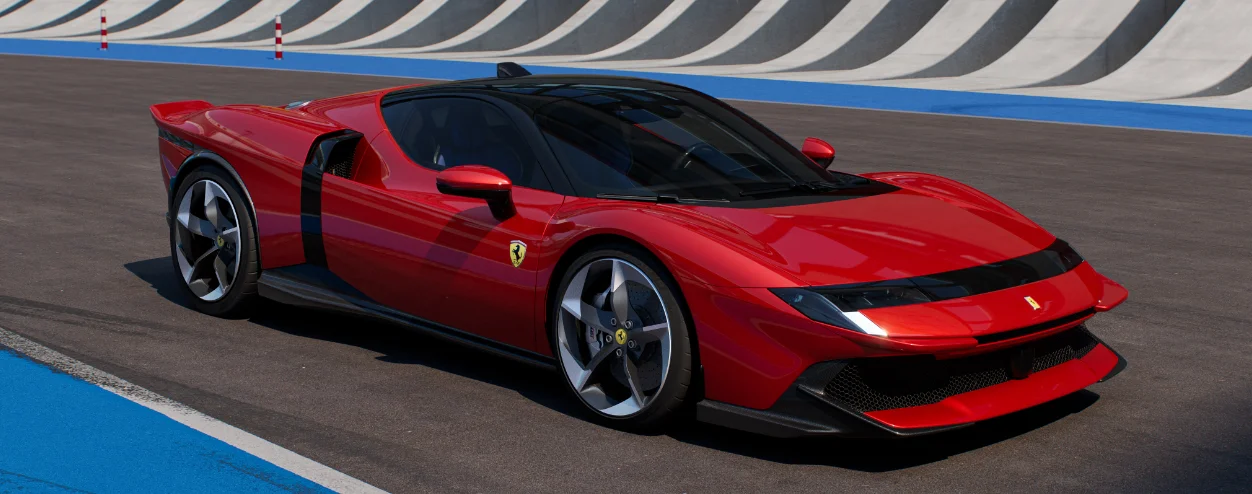




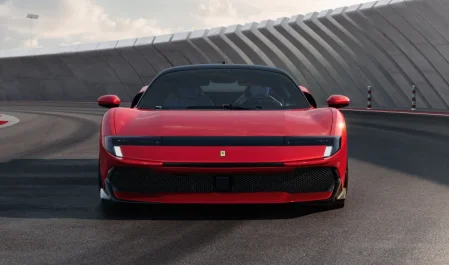
If the moniker Testarossa immediately triggers excitement in you, that may say something about your age. Perhaps you had a few posters of the iconic car, and maybe even a Scycletrix set or two, with a Testarossa going against the Lamborghini Countach. Now that you’re in a position to write the check for one, Ferrari is looking to reignite that emotional attachment with the introduction of the 849 Testarossa.
For the uninitiated, the original Ferrari Testarossa was introduced in 1984 and was the subject of countless posters sold to Ferrari fans while owners drove around with pride knowing they had one of the most coveted sports cars of the era. It is considered legendary to this day.
The reborn icon is now a plug-in hybrid berlinetta that succeeds the SF90 Stradale and sets a new performance benchmark for the marque. Combining a revised twin-turbo V8 engine with three electric motors, the car delivers a staggering 1,050 cv, the highest output ever for a production Ferrari.

Powertrain and Hybrid Innovation
At the heart of the 849 Testarossa is a reengineered V8 twin-turbo engine producing 830 cv, a 50 cv increase over its predecessor. The unit incorporates Ferrari’s largest production turbocharger, optimized cylinder heads, exhaust manifolds, and lightweight titanium fasteners to reduce mass while maximizing responsiveness. Accompanied by three electric motors, the hybrid system contributes an additional 220 cv, for a total of 1,050 cv.
The advanced hybrid setup introduces on-demand four-wheel drive and torque vectoring, which give the 849 Testarossa good traction and balance. Its 7.45 kWh lithium-ion battery provides up to 25 km of fully electric range, adding versatility to a package otherwise designed for uncompromising speed and handling.

Dynamics, Braking, and Control
Ferrari has equipped the car with its most advanced electronic control suite to date. The ABS Evo system, derived from the SF90 XX Stradale, works alongside the new Ferrari Integrated Vehicle Estimator (FIVE), a digital twin that models the car’s behavior in real time. This delivers precise management of traction, braking, and differential response.
The upgraded braking system has larger discs, improved ventilation, and new calipers designed for greater rigidity and thermal management. Extensive weight-saving measures like the use of recycled aluminum alloys mean the car matches the weight of the outgoing SF90 Stradale, delivering the best power-to-weight ratio for a range model.

Aerodynamics and Design
The styling of the 849 Testarossa reflects both functional aerodynamics and historical inspiration. The car integrates sharp lines with advanced air management solutions. It generates 415 kg of downforce at 250 km/h, a 25 kg increase over the SF90 Stradale. Improvements include redesigned vortex generators on the underfloor and a lighter active rear spoiler capable of switching between low-drag and high-downforce settings in under a second.
The cockpit has been reimagined with ergonomic refinement and a driver-focused layout. The gear gate is inspired by Ferrari’s F80 concept, while a new HMI system and mechanical steering wheel buttons improve usability. Buyers can choose between sculpted comfort seats or carbon-fiber racing seats.

Personalization and Assetto Fiorano
Ferrari is offering the 849 Testarossa with a wide array of options. These include two new paint finishes: Rosso Fiammante, a metallic evolution of Rosso Corsa, and Giallo Ambra, a shade inspired by natural amber. Interior trims feature Giallo Siena Alcantara, designed to complement the new exterior tones.
Hardcore Ferrari fans seeking more can opt for the Assetto Fiorano package, which delivers a 30 kg weight reduction through the use of carbon fiber and titanium components. It also includes dedicated aerodynamic enhancements. Stiffer suspension, lightweight seats, and optional Michelin Pilot Sport Cup2 tires further tailor the car for track-focused performance.

A Modern Icon in the Making
The 849 Testarossa represents the next leap forward for Ferrari: an uncompromising blend of power, technology, and heritage. With a top speed exceeding 330 km/h, 0–100 km/h acceleration under 2.3 seconds, and a Fiorano lap time of 1’17” 500, the car is likely to trigger more than just emotions in the minds of collectors who have been fans of the brands before they could even dream of having a driver’s license.

View the article image gallery