



Landscaping is an important part of putting the finishing touches on residential and commercial buildings. You could describe it as the icing on the cake that completes the look that draws potential buyers.
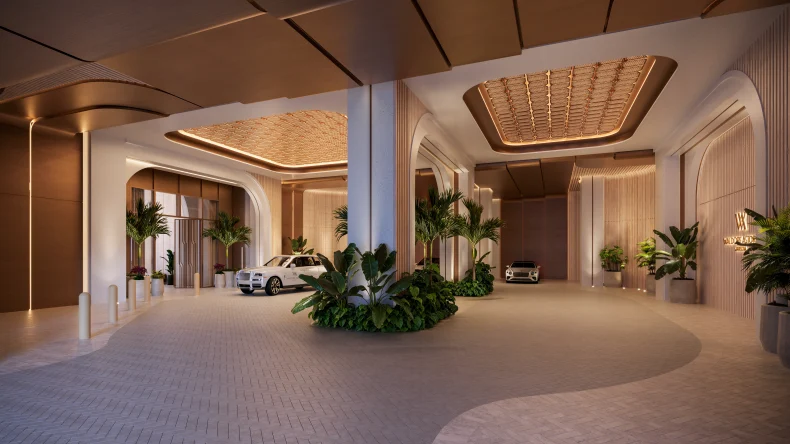
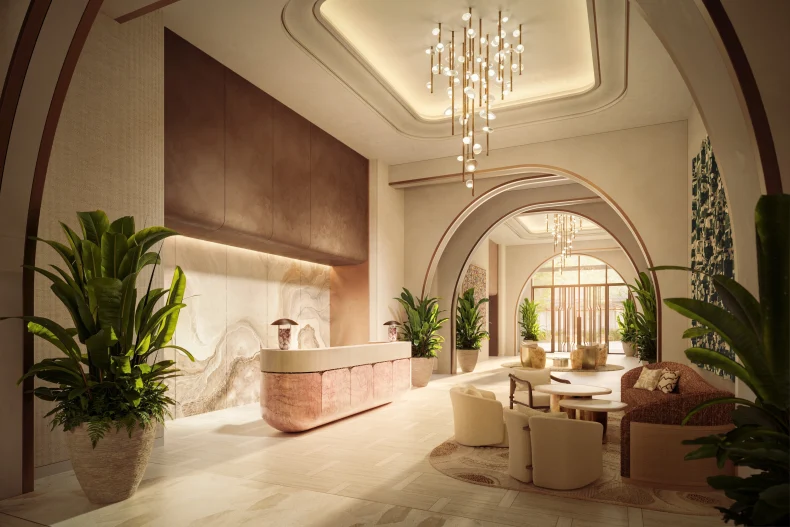
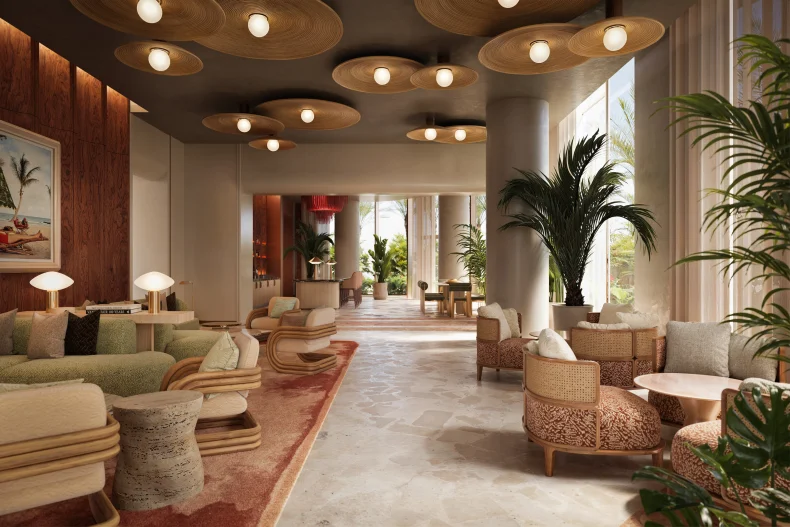
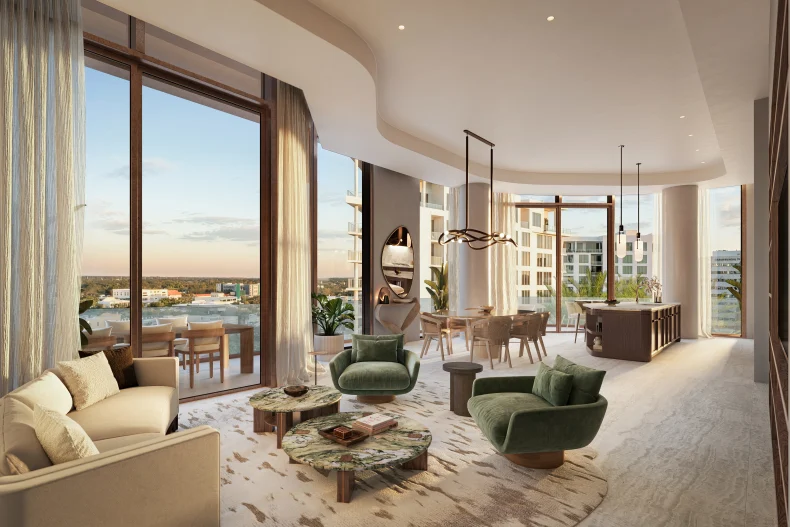
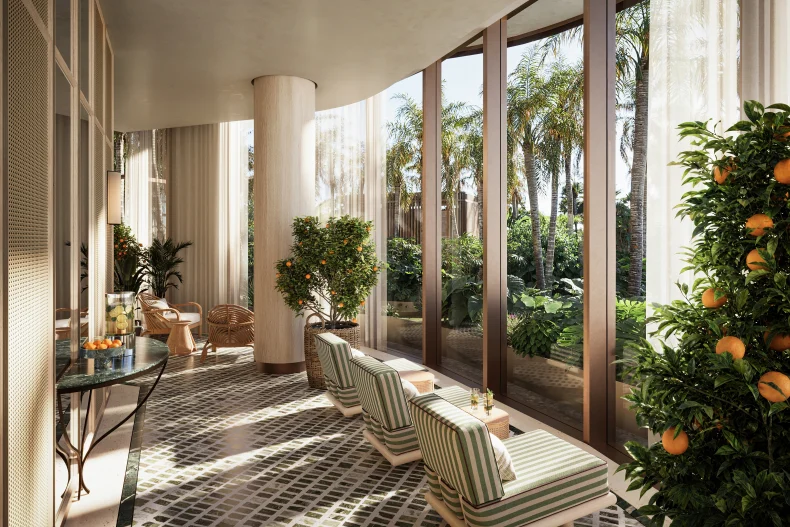
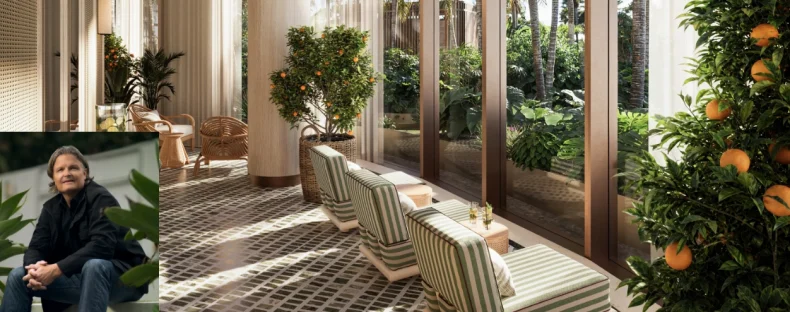
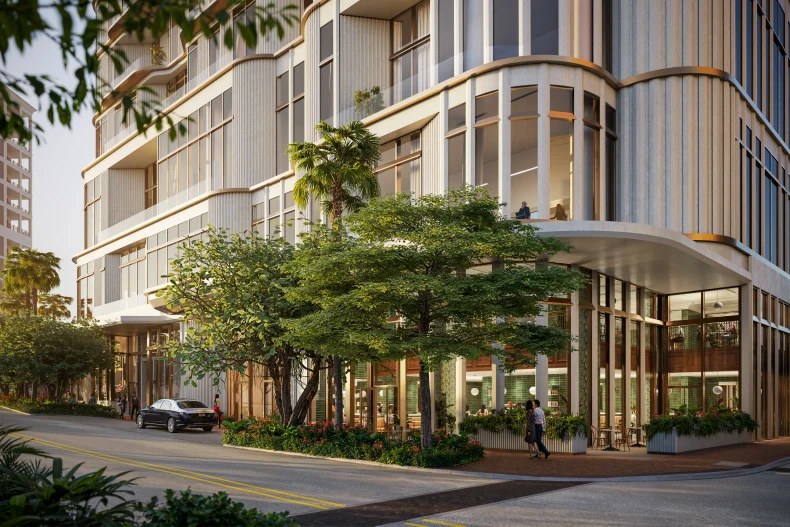
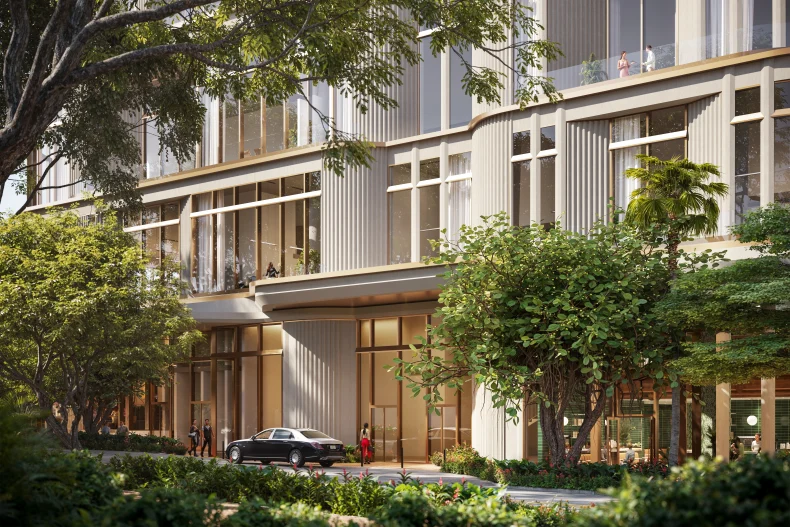
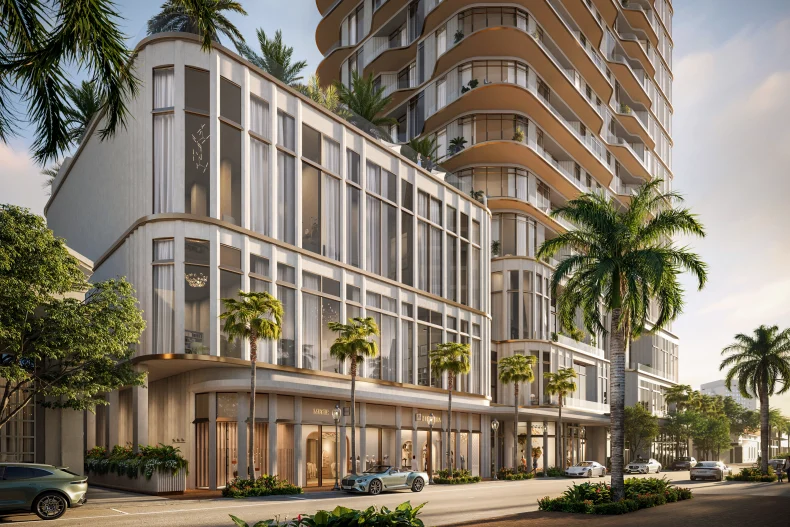
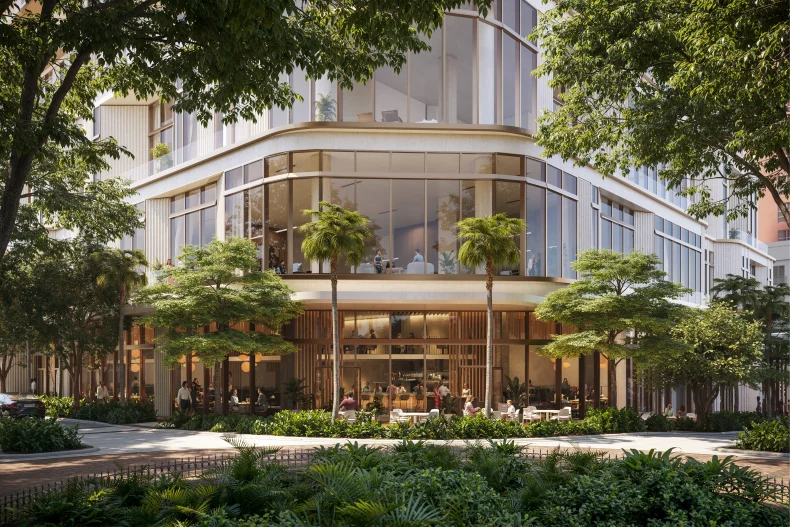
There's a new trend in luxury residential design - edible landscapes that add an extra touch of authenticity to outdoor spaces. A great example is the addition of citrus trees to the landscape of the Waldorf Astoria Residences Sarasota, a bayfront 22-story tower with 84 units set to open in 2029.
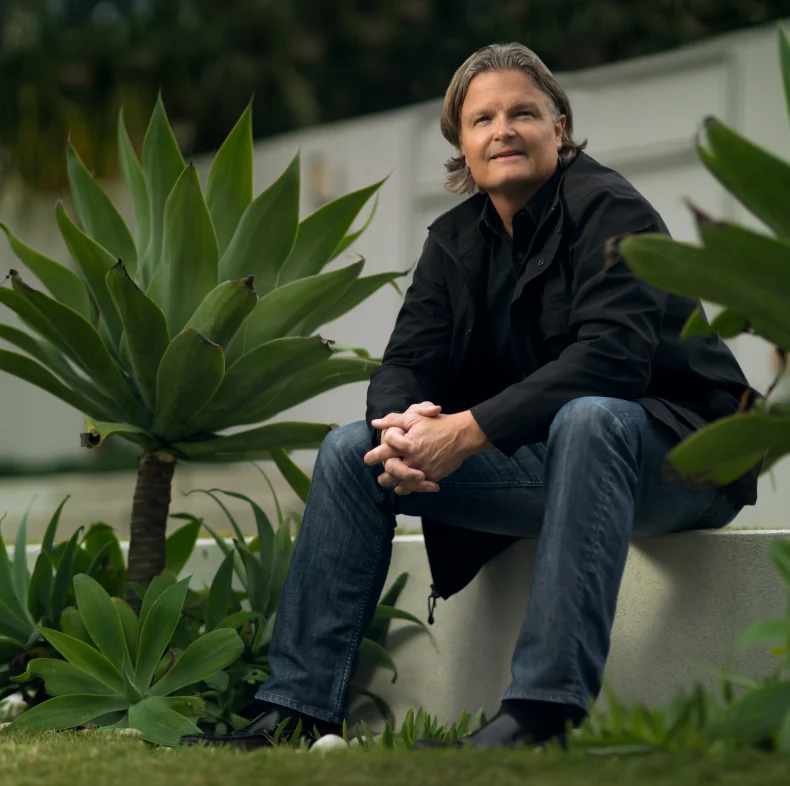
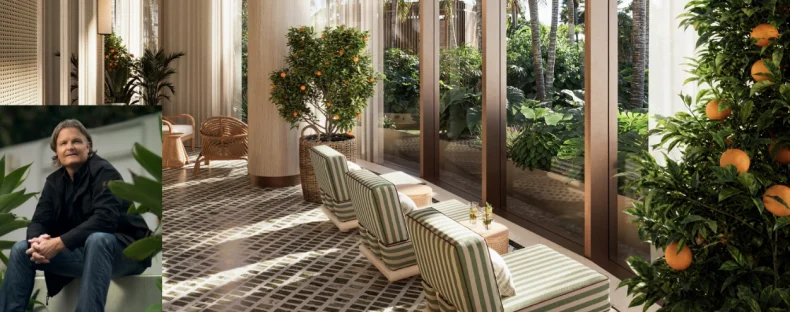
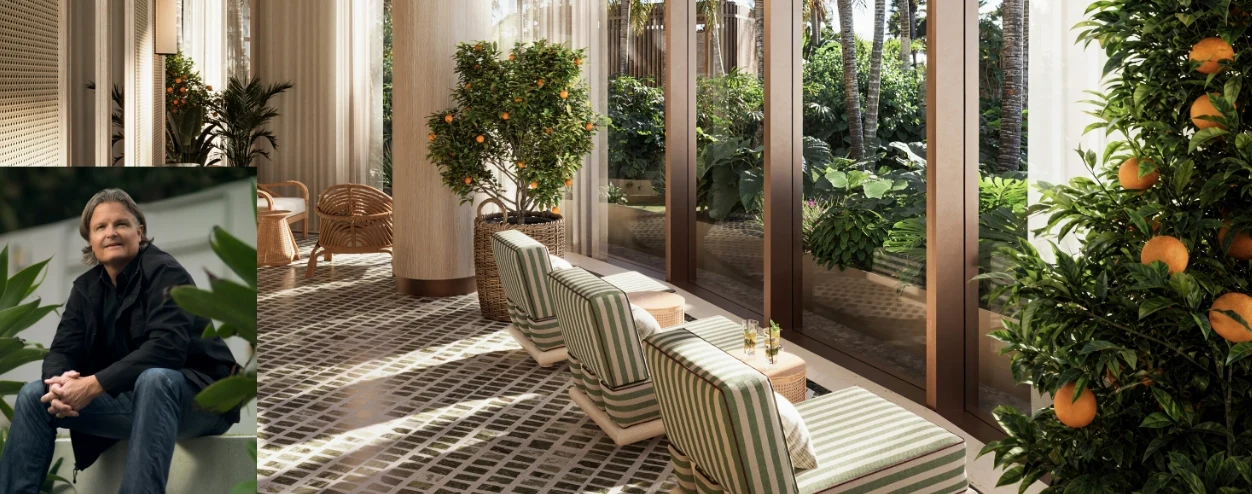
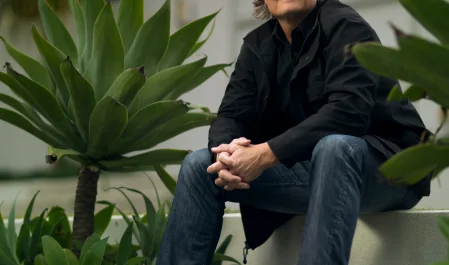
Since the advantages of edible landscapes may not be obvious, we asked David Young, Principal and Founder of DWY Landscape Architects, who worked on the landscape design at the Sarasota project, to share insights into the benefits.
At its best, how can landscape design shape the way people experience a residential development?
At its best, landscape design changes the way people live within a residential community. It draws people outdoors and creates places for both activity and pause, from having coffee in the morning or reading beneath the shade of a tree to swimming, working outdoors, gathering with friends or enjoying a quiet sunset filled evening outside.
For Waldorf Astoria Residences Sarasota, we approached the landscape as an extension of the architecture and, ultimately, of the home itself. Every material, planting choice, seating area and shaded space contributes to an environment that feels intuitive and inviting throughout the day.

The goal is for residents not simply to see the landscape, but to live within it by connecting with nature, with one another and with the rhythms of outdoor life in Sarasota. Strong design gives people a reason to stay. The goal is to create spaces that feel so considered, comfortable and inviting that residents choose to slow down, linger, and experience them throughout the day.
What is driving the growing interest in edible landscapes within luxury residential developments?
There has been a shift in how people think about luxury. Increasingly, it is less about what is purely ornamental and more about experiences that feel authentic, personal and connected to place. An edible landscape brings another sensory dimension to the garden. It can be seen, touched, picked, tasted, and shared.

At Waldorf Astoria Residences Sarasota, the citrus trees embody that idea beautifully. A resident can step outside and pick fresh fruit for breakfast, add citrus to a cocktail or use it while entertaining friends. It is a relatively simple gesture, but one that makes the landscape feel alive and participatory. That kind of everyday experience, rooted in Florida’s long citrus-growing tradition, creates a meaningful connection to place that can be far more memorable than a landscape designed simply to be admired.
What practical design and maintenance challenges arise when edible landscapes are integrated into a residential landscape?
An edible landscape has to be designed with the same rigor as any other component of the property. We consider root structure, irrigation, drainage, fruiting cycles, maintenance, longevity, and the mature size and character of each plant. Placement is particularly important because fruit-bearing trees need to be accessible and enjoyable without creating conflicts with primary walkways, gathering spaces, or other amenities.
Sarasota's coastal environment adds another layer of consideration, including heat, humidity, wind, and salt exposure. The challenge is to select species and locate them thoughtfully, so they thrive over time while maintaining the visual quality of the overall landscape. When those practical considerations are resolved from the beginning, the edible component feels completely natural to the design rather than added afterward.
How do you balance the practical needs of fruit-bearing plants with the visual standards expected in a high-end landscape?
The key is to treat an edible plant first and foremost as part of the landscape composition. Citrus is particularly successful in this regard because it offers so much visually including the structure of the tree, glossy evergreen foliage, fragrant blossoms, and, eventually, the color and texture of the fruit itself.

Careful spacing and repetition allow the trees to feel intentional and architectural while still retaining the natural character that makes them appealing. The finished landscape should feel effortless, even though achieving that sense of ease requires a tremendous amount of planning.
Which types of edible plants are best suited to luxury residential landscapes, and what factors guide their selection?
The strongest choices are plants that are beautiful in their own right, well adapted to the local environment, and capable of performing reliably without requiring disproportionate maintenance. We also consider their mature form, seasonality, relationship to the property’s architecture, and, importantly, whether residents will actually enjoy interacting with them.

In Sarasota, citrus is especially compelling because it is both ornamental and productive. The foliage, blossoms, fragrance, and fruit provide different experiences throughout the seasons, while the act of picking fresh fruit creates a direct connection between residents and the landscape. The best edible landscapes do not feel like working gardens. They feel like beautiful gardens that happen to offer something delicious as well.
Why were citrus trees selected for Waldorf Astoria Residences Sarasota?
Citrus feels inherently connected to Florida and to the experience we wanted to create at Waldorf Astoria Residences Sarasota. It reflects not only the climate and natural character of the region, but also its history. Citrus growing and production have long been part of Florida’s cultural and agricultural identity. Incorporating citrus into the landscape gives us an opportunity to celebrate that heritage in a way that feels authentic, beautiful, and relevant to how residents live today.
We are incorporating varieties including orange and grapefruit, with the potential for lemon and lime, allowing residents to step outside and pick fresh citrus just moments from home. It is a simple experience, but one that creates a very tangible connection to the landscape and to this part of Florida.

There is also something timeless and almost nostalgic about a fruit tree. It evolves throughout the year, from fragrant blossoms to ripening fruit, and brings a sense of seasonality, discovery and life to the garden. Over time, we envision these trees becoming more than an amenity; they will mature with the property and become part of its character, its sense of place and, hopefully, some of the memories residents create here.
How do you envision residents interacting with the trees as part of their everyday routines?
We imagine the citrus trees becoming part of the small rituals that make a place feel like home. From picking an orange in the morning, grabbing a lemon or lime for a drink, or enjoying fresh fruit while entertaining friends.

There is also something timeless about simply sitting beneath a real tree with a book or coffee. In an increasingly fast-paced, technology-driven world, those quiet moments of connection to nature feel more important than ever.
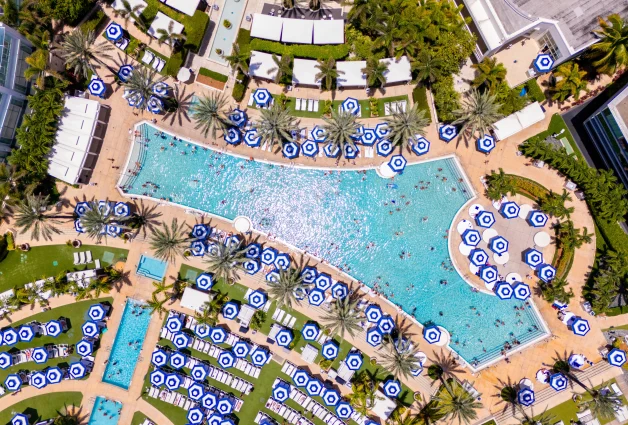
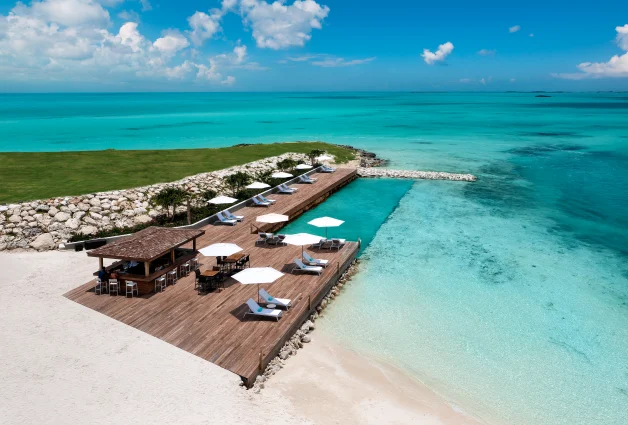
That philosophy extends across the entire amenity landscape. We want residents to come outside not only to swim, dine or socialize, but simply to find a beautiful place in the shade and stay awhile. The goal is to make nature part of everyday life by creating opportunities to slow down, reconnect with nature, and experience the sense of well-being that comes from being outdoors.



View the article image gallery