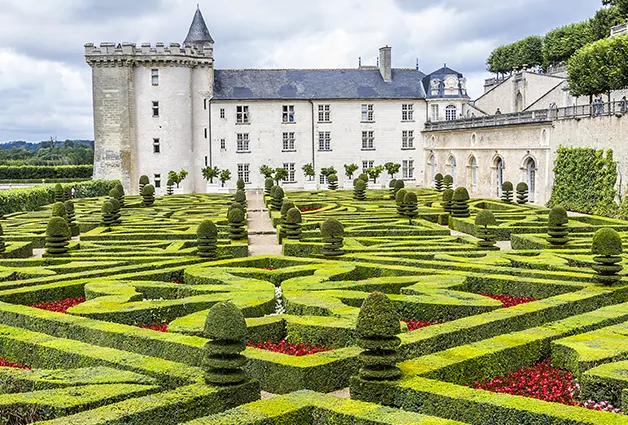






You could describe France as the country of chateaux, as there are numerous breathtaking palaces and elaborate hunting lodges across the land. Each of these edifices has an intriguing story to tell.
Despite the incredible number of these buildings, there is one that arguably stands head and shoulders above the rest. Less than 12 miles from the Eiffel Tower in Paris, Chateau de Versailles (or Palace of Versailles) tells a story of opulence, creativity, and tragedy.
The palace is one of the most visited landmarks in France. With 2,300 rooms over 721,00 sq ft, it is widely considered to be the most opulent old-world palace on the planet. It offers a look into the past of French royalty, with grand halls, royal apartments, and formal gardens that redefine affluence.

Versailles is a symbol of power, beauty, and brilliant design. Every room, path, fountain, and view was created to impress. Today, the palace receives more than 7 million visitors every year. Many aim to explore its history, design, and gardens, while others simply want to see the filming location of one of their favorite movies or TV shows.
With that many people, as you can imagine, visiting the palace on your own is somewhat tedious. You’re better off arranging a private tour. Most help you avoid the long lines at the entrance by using a side door on the east side of the property. Some of the best ones even offer hotel pickup.
History
The Palace of Versailles started out as a small hunting lodge built for King Louis XIII in the 17th century. His son, Louis XIV (the Sun King), later turned it into the extravagant dwelling visible today.
One source of inspiration was Château de Vaux-le-Vicomte. Nicolas Fouquet, Louis XIV’s finance minister, commissioned Vaux-le-Vicomte. Its grand architecture, formal gardens, and richly decorated interiors made a strong impression on the King.
After Fouquet’s fall (he was arrested on corruption charges), Louis XIV brought some of the leading talents behind the design of Vaux-le-Vicomte to Versailles. These included architect Louis Le Vau, painter Charles Le Brun, and landscape designer André Le Nôtre.

With what you could call the dream team of residence design back then, Versailles grew into a palace on a much larger scale. In 1682, Louis XIV moved the French court and government there. This made Versailles the center of royal life in France. It was the king's home and a stage for politics and ceremony.
For more than a century, Versailles was closely tied to the French monarchy. It housed kings, hosted nobles, and major decisions were made within its walls. Long after the fall of the French Monarchy, the palace had a major moment in history. In 1919, the Treaty of Versailles was signed in the Hall of Mirrors, helping to bring World War I to a formal close.
Architecture
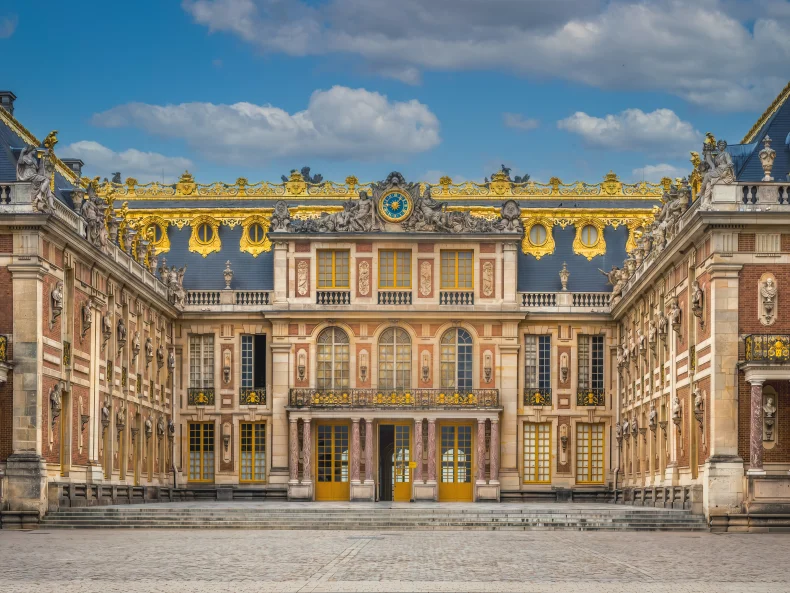
Louis XIV aimed to impress with the design of Versailles. The intricate gate starts to tell that story before you arrive on the property. Its grand façades, wide courtyards, and ornate frescoes of the interior create a strong sense of order. Every part of the palace was put in place to show the king’s might.
Architects like Louis Le Vau and Jules Hardouin-Mansart helped shape its appearance, and Charles Le Brun was the main interior designer. The rooms in the palace are quite a spectacle, demonstrating the extravagance of the French monarchy's lifestyle during that era.

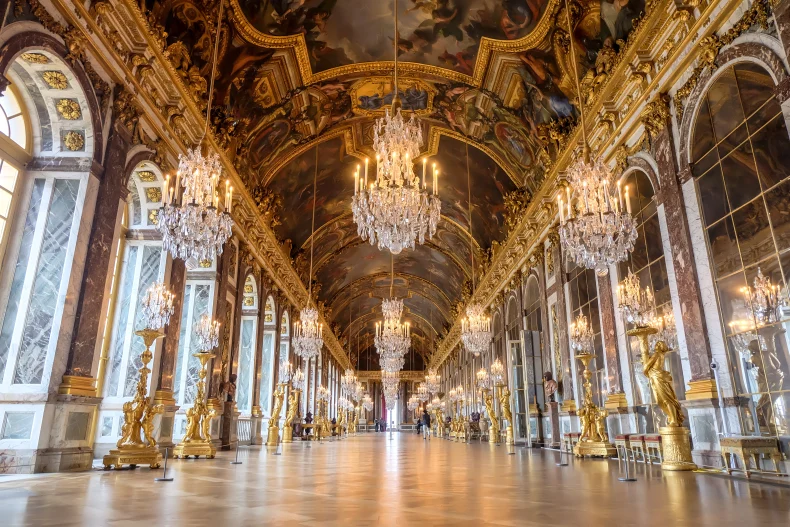
The Hall of Mirrors is the most famous room in Versailles. The marble walls are lined with mirrors on one side (578 mirrors to be exact) and oversized windows on the other, with intricate frescoes as the backdrop for imposing chandeliers hanging from the ceiling. The windows offer a view of the gardens and fill the room with light.
Chapel
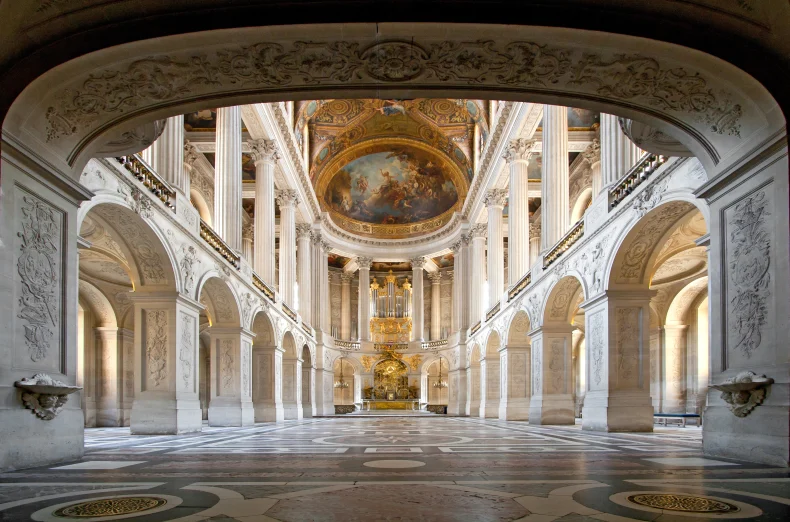
The Royal Chapel is one of the most beautiful spaces in Versailles, and the last update to the palace during the reign of Louis XIV. Completed in 1710, the Gothic/Baroque design place of worship was the fifth and last chapel built at the palace.
Its high ceiling, upper gallery, ornate frescoes, and imposing columns create a calm but majestic aura. While its main function was as a place of worship, it also served as a venue for royal ceremonies.
A restoration project was commissioned in 2017 and completed four years later. It helped restore it to its original form. Movies like Le Roi Danse (The King Dances) and TV series Versailles feature scenes from the chapel and other parts of the palace.
Gardens / Parc Versailles
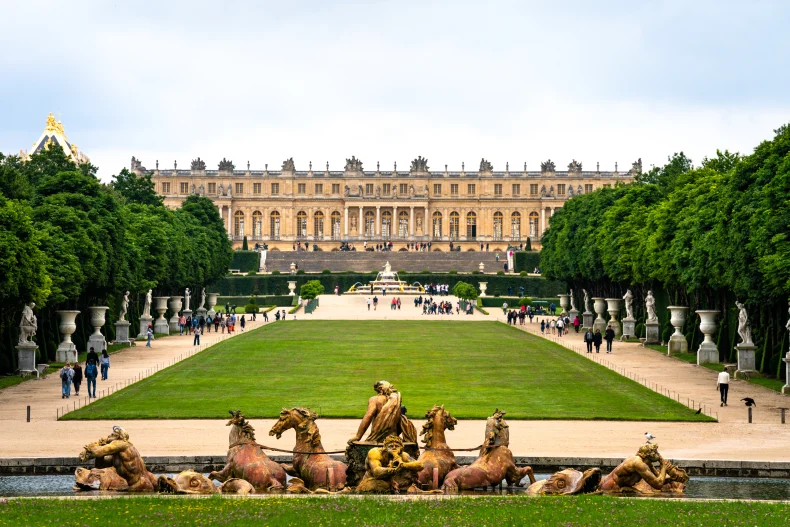
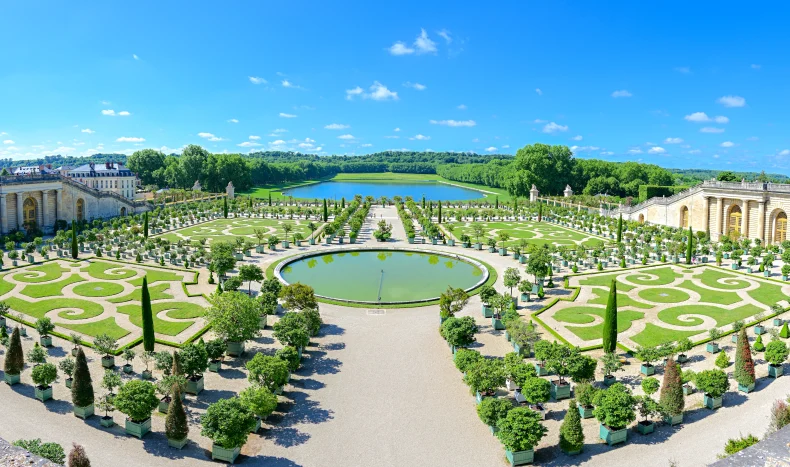
The gardens of Versailles are just as imposing as the palace itself. Renowned 17th-century landscape architect André Le Nôtre was behind most of the work.
Perhaps one of the finest examples of how beautiful French gardens can be, it features neat lawns, long avenues, fountains, statues, groves, and flower beds and hedges arranged in geometric patterns.

The wider park gives Versailles an even greater sense of scale. Paths lead toward the Grand Canal, which one can argue is the most prominent symbol of excess on the grounds. Here, visitors who are so inclined can row across the canal to appreciate its scale.
The gardens invite a slower visit. Fountains bring movement and sound to the landscape. Long walks (which you should prepare for) reveal new views of the palace and park. Movies with scenes here include Woody Allen's Midnight in Paris and Marie Antoinette.
Where to Stay
Given how vast Versailles is, there’s a case to be made for spreading your visit over a couple of days. If you choose to do this, there’s no better place to stay than the Waldorf Astoria Versailles - Trianon Palace. The hotel is right next to the palace grounds, making it easy to visit the château many times.

As the Woldorf Astoria brand would suggest, the hotel offers a refined setting with a strong sense of place. It combines historic character with modern comfort. The grand architecture of the hotel building also sets the mood for a visit to Château de Versailles.
After a day spent exploring palace rooms and gardens, guests can return to spa facilities and Michelin-starred French cuisine at Gordon Ramsay au Trianon. On the subject of dining, don’t limit yourself to the main restaurant. Other options include brasserie cuisine at La Veranda with unreal views of the Park of Versailles from the terrace, and alfresco dining at Le jardin du Trianon.
Despite its proximity to Versailles Palace, don’t be tempted to give your chauffeur the day off. It is a long enough walk, and you should save your strength for exploring the palace and its grounds.
Set-Jetting: Film & TV References

View the article image gallery