
You can't help but hold the Pacific Ocean in awe. Its vastness dwarfs any other ocean, and so much of it is yet to be explored. Unsurprisingly, in all that vastness, there are travel gems that melt your heart. Many of these places are in the South Pacific.
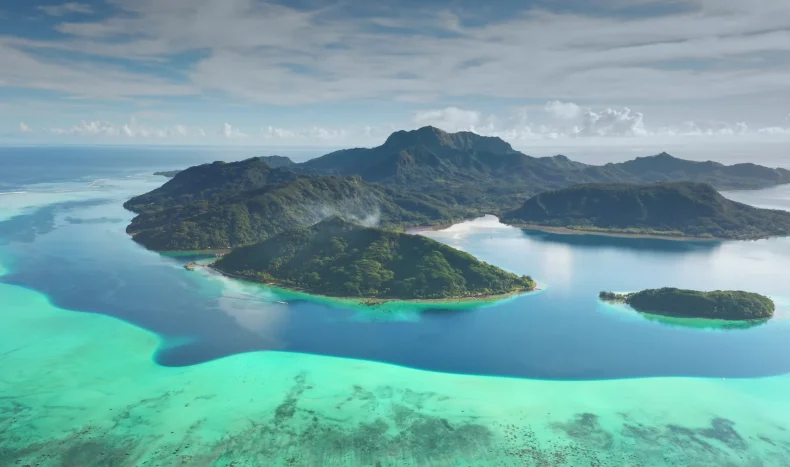
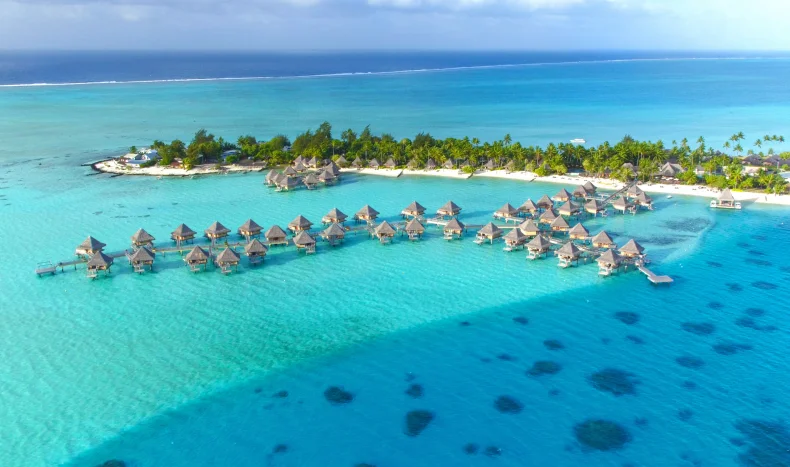
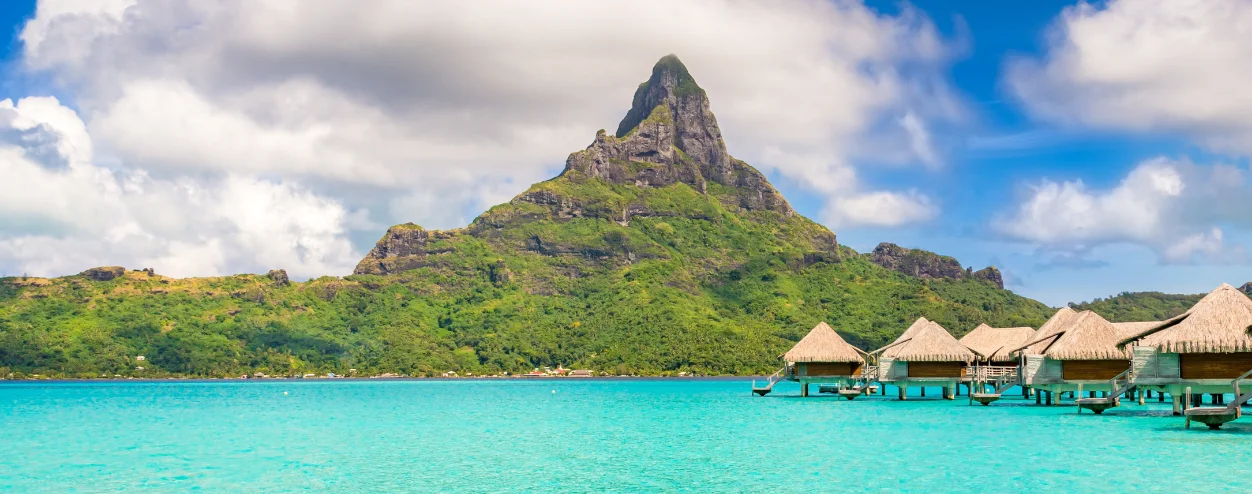
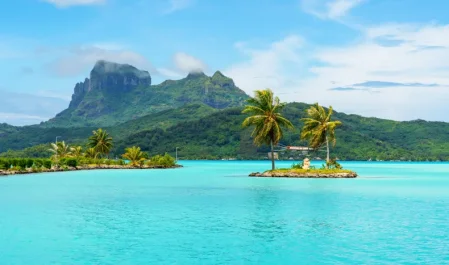
Part of the islands that make up French Polynesia, Bora Bora has long captured the imagination of travelers with its soaring peaks and turquoise lagoons. The main island is surrounded by a lagoon and a barrier reef, with motus (small, thin islands) that seem to shield it from the rest of the South Pacific. The formation is both breathtakingly beautiful and somewhat uncanny.
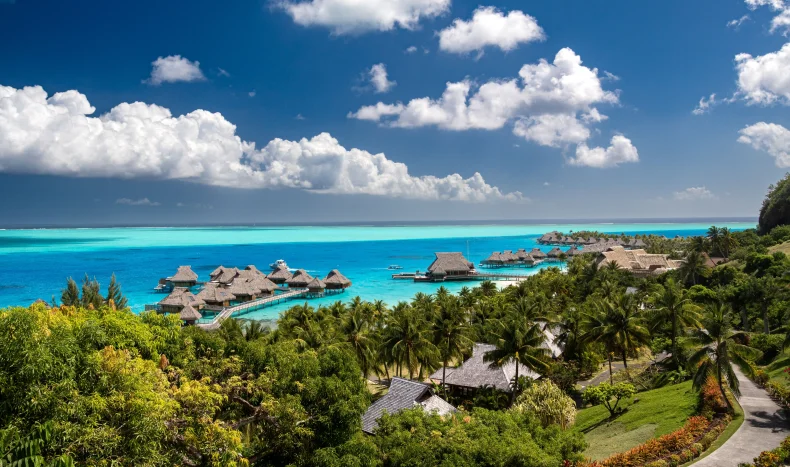
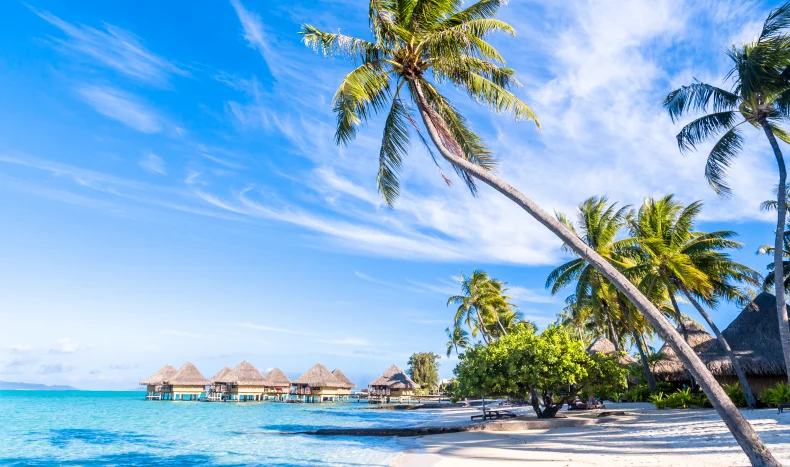
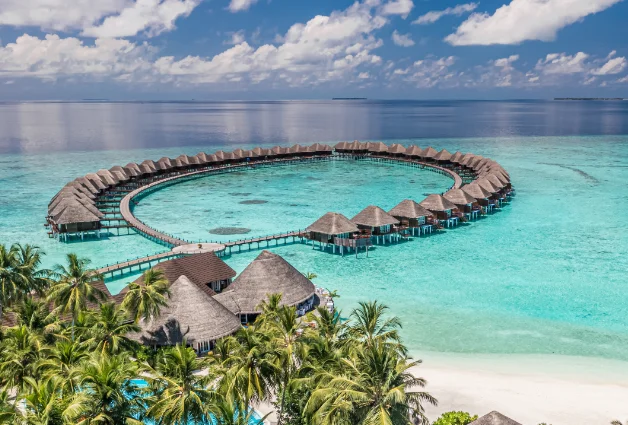
It's a destination that blends untouched natural beauty with refined indulgence, where serenity meets sophistication. With its signature overwater villas, crystal-clear waters, and warm Polynesian hospitality, Bora Bora invites visitors to slow down and experience the art of tropical elegance.
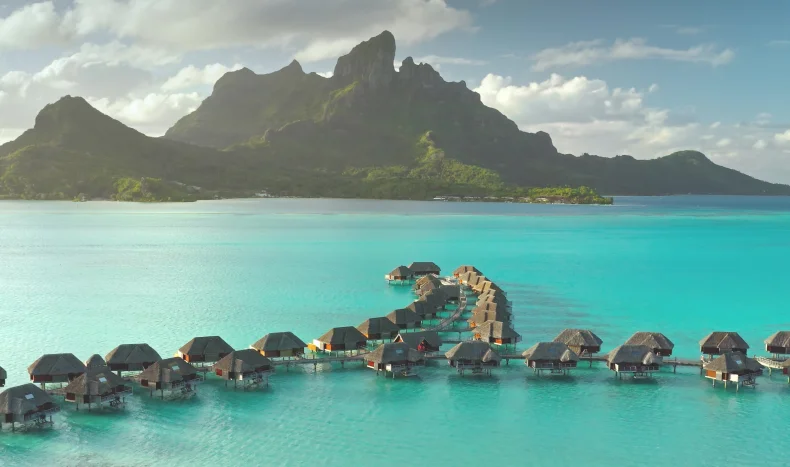
Sights of Bora Bora's island and Motus - The Jewel of the South Pacific
If you've seen aerial views of Bora Bora, you won't need any convincing that it is an incredibly beautiful place to visit. The only thing that may give you pause is its remote location.

Often described as the jewel of the South Pacific, Bora Bora's secluded ambiance makes it an ideal choice for romantic getaways, celebratory retreats, or simply a tranquil interlude away from city life.
Things to Do

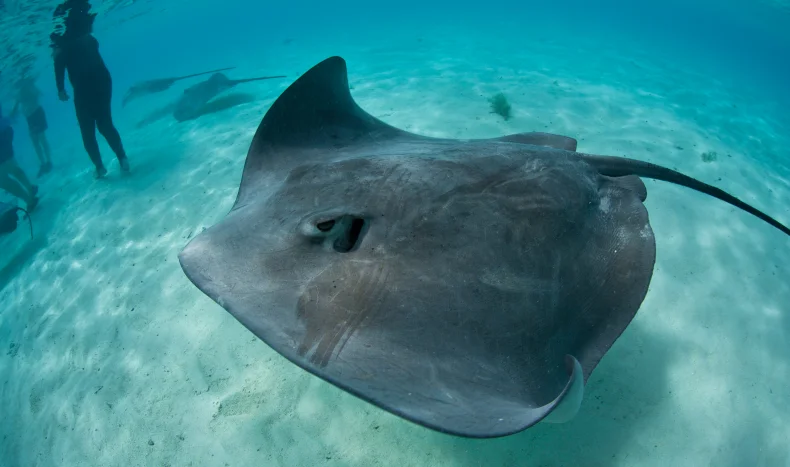
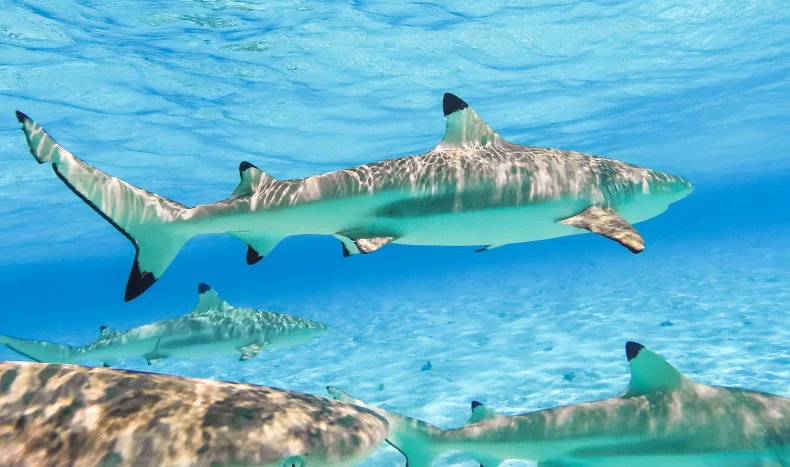
Bora Bora's clear-water lagoon invites you to indulge in water activities. Snorkeling and diving reveal vibrant coral gardens teeming with rays and reef sharks.
Activities include exploring the lagoon on a jet ski, whale watching, and scuba diving. Here's a rare opportunity to swim with manta rays and sharks. Both flourish in the area because they are protected.
Unique underwater activities here include helmet diving and underwater scooter rides. The scooter ride offers a different way to experience the coral reefs, with guides who help you navigate the device. After a brief tutorial on how to pilot the scooter, you'll be ready for the dive.

The 'scooter' has an air bubble at the top for a clear view of everything around you. The experience is somewhat similar to a tiny submersible. If the thought of swimming next to sharks doesn't appeal to you, these scooters may bring you some comfort. Either way, you shouldn't leave Bora Bora without trying this.
Private catamaran charters offer a leisurely exploration of the surrounding motus with opportunities to stop for a champagne picnic on a sandbar or take a swim in a secluded cove. There's no reason to limit yourself to just one of these activities. Try as many as your time and budget will allow.
The water activities are great, but don't let them take all your time. Hiking is another popular activity. Even if you have no desire to walk to vantage points with views of Mount Otemanu (the island's highest peak), take some time to explore Bora Bora's natural green spaces. If you're feeling adventurous, hike the mountain for the best views of one of the most beautiful places on the planet.

Visitors seeking to immerse themselves in cultural experiences, such as private Polynesian dance performances and traditional pareo dyeing sessions, have many options. Resort restaurants often host performances at dinner time. For a more authentic experience, visitors can plan their trip to catch an Ori Tahiti Show, which showcases Polynesian culture and history.
The best views of Bora Bora are from above, and the best way to capture this is via a helicopter tour of the island and motus. Tours vary in flight time and route, but you're sure to find one that takes you around the lagoon and the peaks of the main island in about 35 minutes. You're not likely to find views like the ones you will encounter here anywhere else on the planet.
Where to Stay
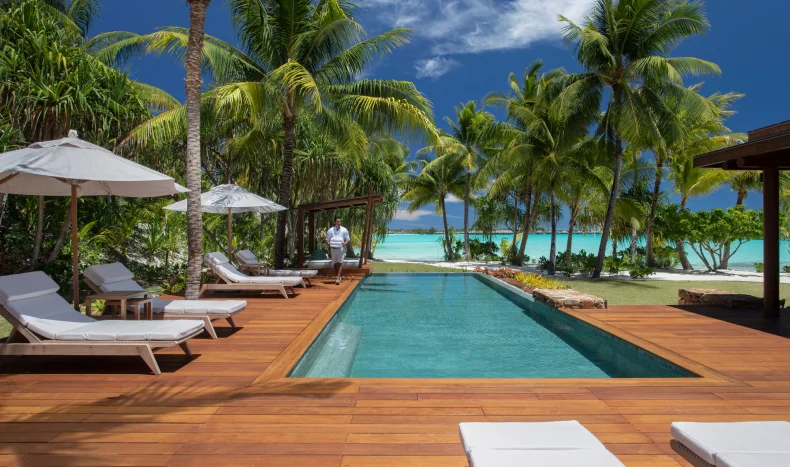
Bora Bora's luxury accommodations are globally renowned for their privacy, design, and impeccable service. Resorts such as the Four Seasons, St. Regis, and InterContinental offer expansive overwater villas with plunge pools and glass floors. Perhaps the reason these hotels are all located on the eastern Motus is the easy access to the clear water lagoon, with Mount Otemanu as a backdrop.
The Four Seasons Resort is a sanctuary of elegance and calm, blending modern comforts with the island’s enchanting natural beauty. Guests are welcomed into overwater bungalows and beachfront villas, each offering stunning views of the island’s highest peak and the turquoise lagoon. Beyond its generous living areas, the resort features impressive amenities. These include a world-class spa and curated experiences that highlight the spirit of Polynesia.

The St. Regis Resort is a destination in its own right. It is known for its refined grandeur and impeccable service. With the largest overwater villas in the South Pacific, private plunge pools, and butler service, the resort ensures attention to every detail. Its signature Lagoon Restaurant, with a menu by chef Jean-Georges Vongerichten, delivers exquisite dining with views of the lagoon and Mount Otemanu.
The InterContinental Resort & Thalasso Spa combines sustainability with elegance. The resort offers eco-friendly innovations along with first-class hospitality. Overwater villas provide direct access to the lagoon, while the resort’s Deep Ocean Spa draws on the natural power of seawater. With fine dining options that celebrate French and Polynesian flavors, it delivers a holistic island experience that balances relaxation and indulgence.
How to Get There
Here comes the part that requires some endurance. Our poetic intro about the vastness of the Pacific Ocean means that getting to Bora Bora requires patience. If you're traveling from the East Coast, you'll need to plan for close to a full day of traveling (16 to 22 hours).
If you live along the Pacific coast of mainland USA, it's a bit easier on you, but not by much. Travelers typically fly into Tahiti's Faa'a International Airport (PPT) and then take a 45-50 minute flight on a domestic carrier to Bora Bora's Motu Mute Airport. From there, luxury speedboat transfers take guests directly to their resort.

If you're flying private, you can arrange bespoke transfers from Tahiti to Bora Bora. Options include helicopter charters along with VIP meet-and-greet services. Once you arrive in Bora Bora, the long journey quickly fades from memory. The island's raw natural beauty makes every hour of travel worthwhile.


Frequently Asked Questions about Bora Bora
Do I need a visa to visit Bora Bora?
French citizens can stay indefinitely, as Bora Bora is a French territory. Citizens of other EU countries, the U.S., Canada, and many others can stay up to 90 days visa-free for tourism. Longer stays require a visa, as French Polynesia is outside the Schengen Area.
What currency is used in Bora Bora?
The official currency is the French Pacific Franc (XPF). Credit cards are widely accepted, but cash is useful for small vendors and local markets.
Is Bora Bora safe for tourists?
Yes, Bora Bora is considered very safe with low crime rates and no venomous land animals. Caution is advised around certain marine life like stonefish.
What language is spoken in Bora Bora?
French and Tahitian are the official languages, but English is commonly spoken in resorts, restaurants, and tourist areas.
What is Bora Bora known for?
Bora Bora is famous for its overwater bungalows, turquoise lagoon, black pearls, and the dramatic Mount Otemanu.
How expensive is Bora Bora?
Bora Bora is a luxury destination. Expect resort stays to range from $250 to over $2,000 per night, with meals and activities priced accordingly.
Can you snorkel or dive in Bora Bora?
Yes, the lagoon offers excellent snorkeling and diving, including coral gardens, manta rays, and reef sharks.
Do you need a guide for hiking in Bora Bora?
Guides are recommended for hiking, especially around Mount Otemanu, to ensure safety and access to scenic viewpoints.
Is Bora Bora part of French Polynesia?
Yes, Bora Bora is one of the Leeward Islands in French Polynesia, located northwest of Tahiti.
What are the DOs and DON'Ts in Bora Bora?
DO greet locals with 'Ia Orana' and respect cultural norms. DON'T touch coral or marine life, and avoid waiting for the bill at local eateries, pay at the counter.
View the article image gallery