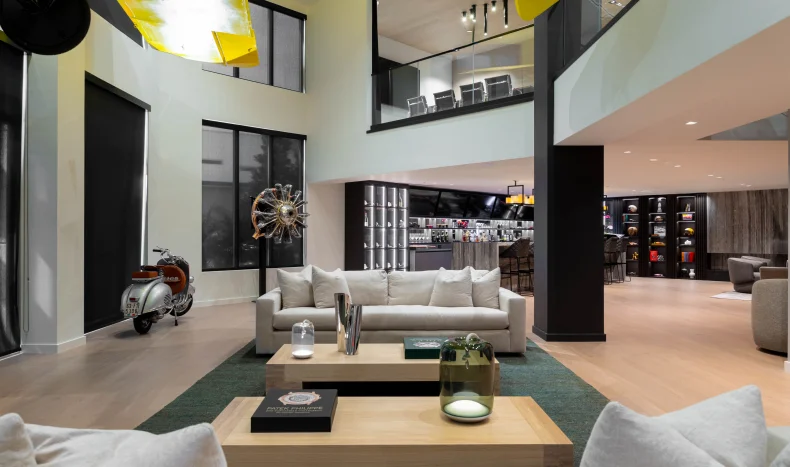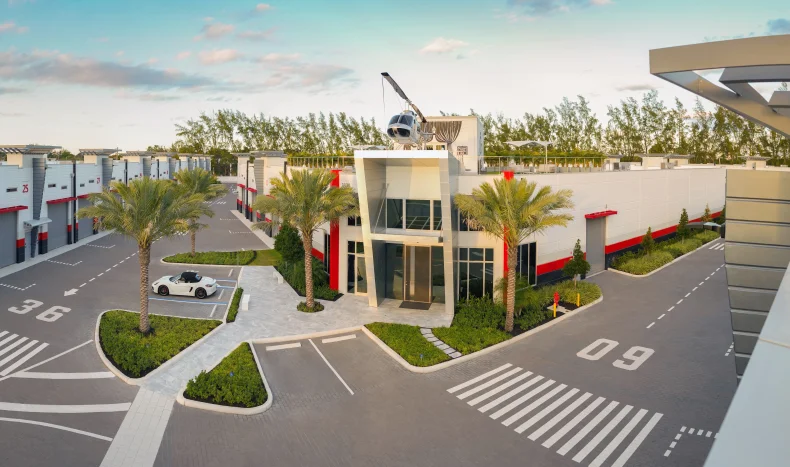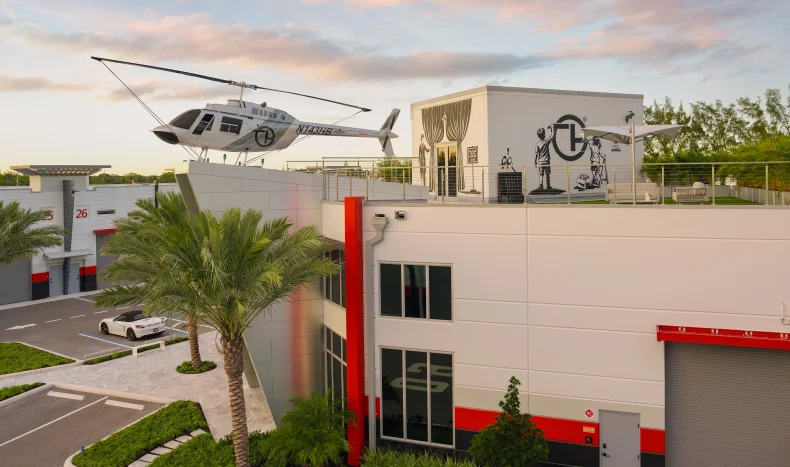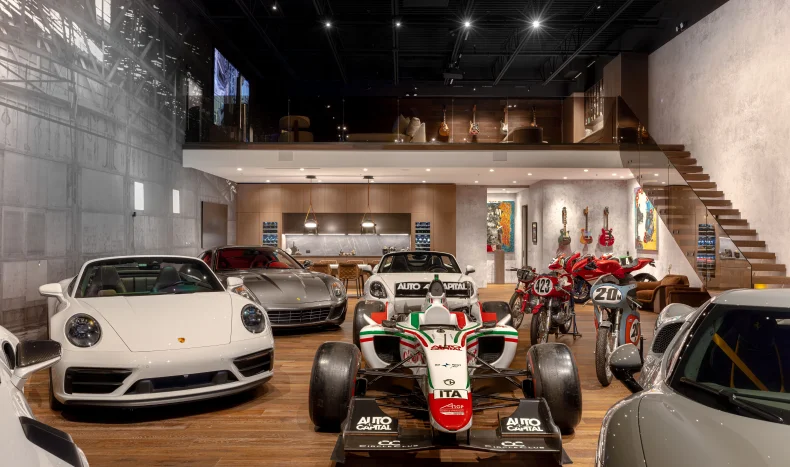
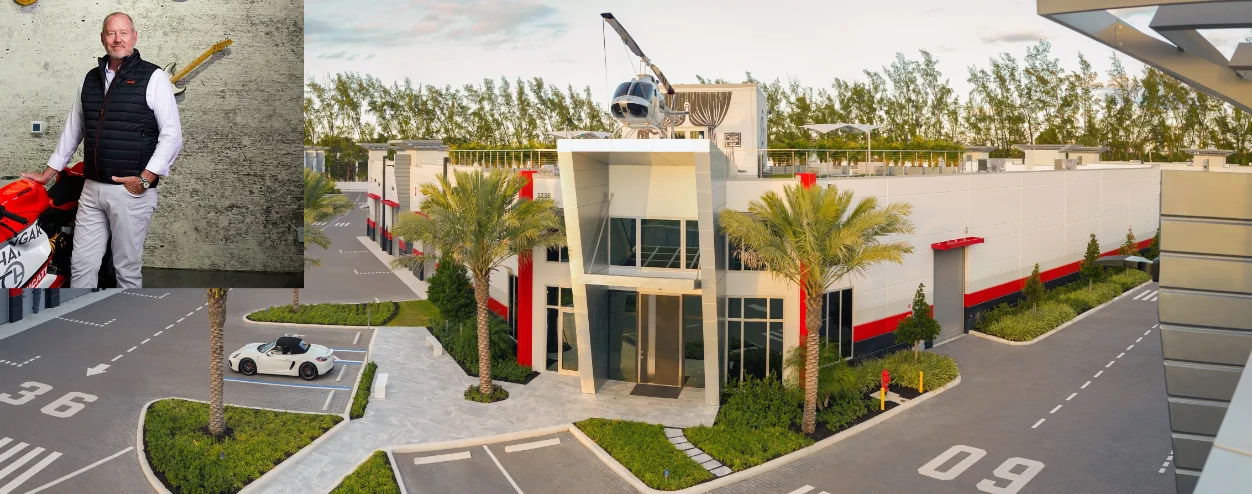




A little over 2 years ago, we were in Palm Beach County visiting the ‘garage condominiums’ built by The Hangar Group. The company offers unique storage facilities to car collectors in an environment that’s suitable for social gatherings.
While there is a clear automotive theme here, nothing stops collectors from using their units for other choice items.
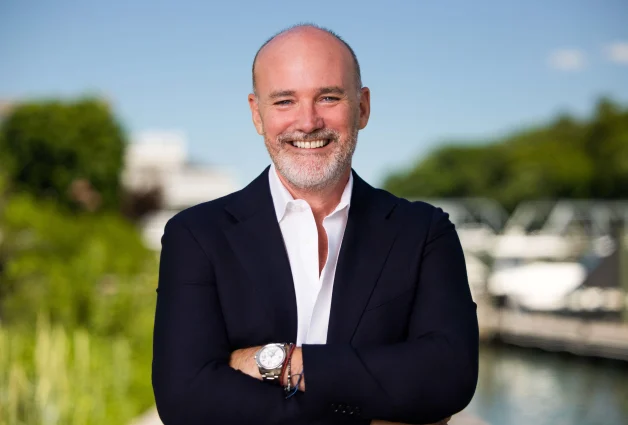
We had a conversation with the CEO, Scott Cunningham in his unit, a tastefully decorated space with a couple of choice Ferraris as highlights. Scott educated us on the benefits of owning a unit in the facility and mentioned plans to open a new location near Palm Beach International Airport (PBIA).
Within six months of completing the PBIA project, the available units are now sold out. We had a follow-up conversation with Scott to gather more information about the new location and The Hangar Group’s future plans.

PBIA sold out within six months of completion. Which specific design, service, or community factors drove that level of demand?
What really drove demand was what people felt once they experienced the community in person. Design and amenities bring people through the door. The build quality, the security, the ability to fully customize your space all matter.
But what ultimately converts someone is the realization that this is not just real estate. It is a private environment where collectors can actually spend time with their collections and with other people who understand that passion.
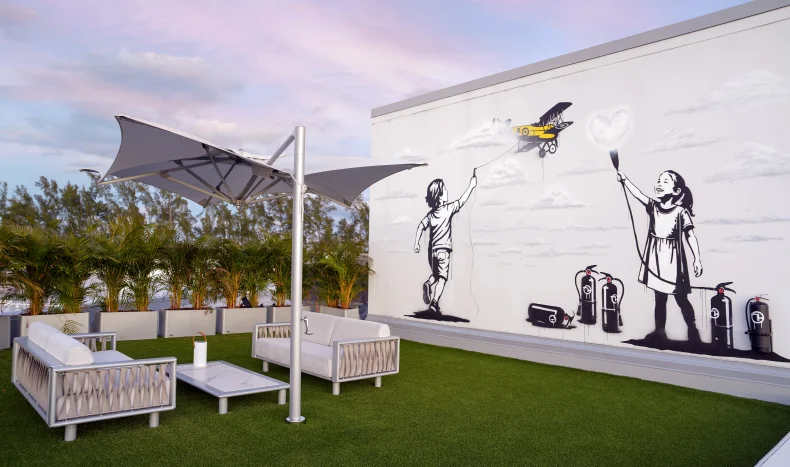
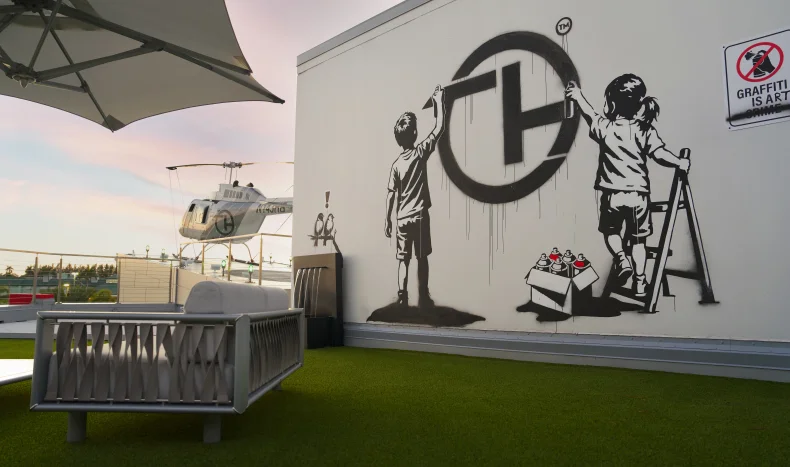
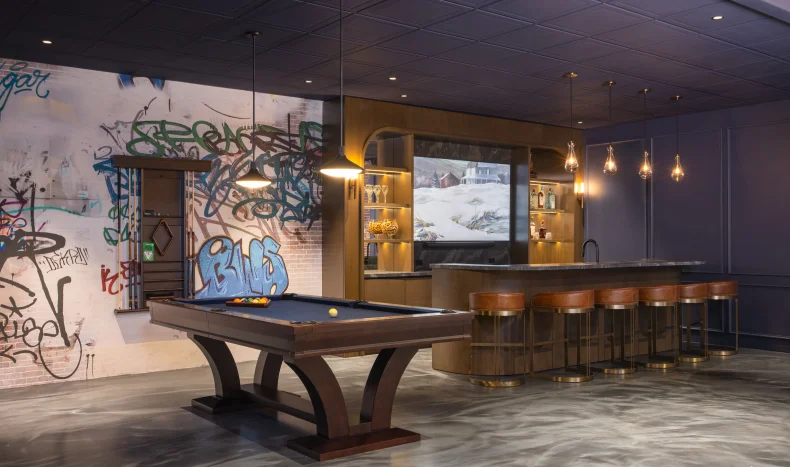
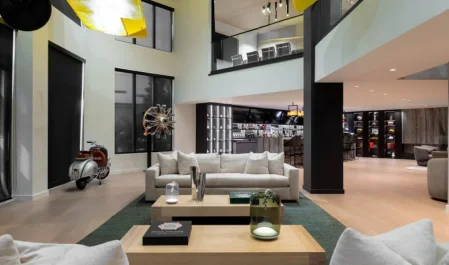
When an interested buyer tours the facility and sees how owners are using their hangars, how the lounge functions, how the rooftop becomes a gathering space, it becomes clear there is nothing else like it. It shifts from a purchase decision to a desire to belong.

That community element is what accelerated sales. Owners introduced friends, friends introduced peers, and it created momentum that you cannot manufacture through marketing. Once people experience it firsthand, they want in.
As PBIA enters its first full year of operations, what early usage patterns are giving you the clearest read on how the community is taking shape?
The biggest indicator is that demand did not stop when sales ended. Even though we are sold out, we receive multiple calls every day from people interested in purchasing a hangar, almost always at the recommendation of a current owner. That tells you the experience is resonating beyond the initial buyer.
We are also seeing very strong participation in events. Owner gatherings, driving experiences, and social programming are highly attended and owners consistently ask for more. They are sharing with us that the value goes far beyond the investment.

The experience and the relationships have become just as important as the space itself. When owners begin to advocate for the community without being asked, that is when you know it is taking shape in a meaningful way.
As you expand from Riviera Beach to PBIA and now the Hamptons, how do you maintain a consistently curated, owners-only culture across locations?
There are two parts to that. Standards and selection. We build every location to the same level of construction, security, and amenities because that sets the baseline for the experience. Owners should feel a sense of continuity regardless of geography.
But the culture is shaped by who becomes an owner. The curation of members is extremely intentional. Without that selectivity, the environment would feel very different and ultimately less valuable. What owners value most is the network.

They are surrounded by people who share similar interests, but also similar expectations around privacy, stewardship, and how the space is used. That creates trust and makes the community compelling across locations.
PBIA achieved the highest price per square foot for privately owned garage space in the country. Which market conditions matter most for sustaining that level of value over time?
We focus on building where the need already exists rather than trying to create demand in a market that does not support it. That means identifying areas with strong collector density and an ownership base that is already active in that market. When those conditions are present, value is a natural outcome.
It also works cross-functionally for current owners. Many of them move between seasonal markets, so expansion into places they already value strengthens the network and reinforces the investment. Long-term value comes from relevance. If the property continues to serve how owners actually live, travel, and collect, pricing tends to take care of itself.

Why is an invitation-only model the right approach for the Hamptons market?
We are not trying to fill inventory. We are building a community that people want to be part of over the long term. Invitation allows us to ensure alignment in how owners use the space, how they interact with one another, and how the overall environment evolves.
That selectivity protects the experience for everyone. It preserves privacy, strengthens the network, and ultimately supports value. In a market defined by scarcity and seasonality, curation becomes one of the most important design decisions we make.
How does the proximity to Gabreski Airport influence the vision for the Hamptons location?

Aviation adjacency is central to how our owners move between markets. While we are still in the approval stages, being near Gabreski will allow the property to function as an arrival point, not just a destination. Owners can land, transition into their hangar, and immediately begin using their vehicles or hosting within the space. That continuity is important.
It also connects the Hamptons to the broader network. Many owners travel between Palm Beach, New York, and other seasonal locations, so proximity to aviation infrastructure supports that lifestyle in a practical way. The location reinforces the idea that these properties are part of how people live, not separate from it.
What have you learned about building a strong owner community that will shape how you approach future locations?
The biggest lesson is that community cannot be forced. It has to be enabled. That starts with design. Shared spaces need to invite interaction while still allowing for privacy. But programming is what brings the community to life. Events, drives, and owner-hosted gatherings create moments where relationships form naturally. We have also learned how important personalization is.
When owners invest in their spaces, they become more invested in the collective experience. And finally, selection matters. When the right group of people comes together, collaboration happens without much direction from us. That is something we will continue to prioritize in every future location.
What markets are emerging as the strongest candidates for expansion after the Hamptons?
We look at expansion through the lens of owner movement. Growth for us is about connectivity, not volume. Each new location should strengthen the network and create additional value for the owners who are already part of it.
The strongest candidates are markets where our current owners already spend time and where there is an existing collector base that lacks the type of secure, community driven environment we provide. That typically points to seasonal destinations, aviation connected cities, and areas with strong family office presence. We are evaluating several markets that fit that profile across the US and internationally.


View the article image gallery