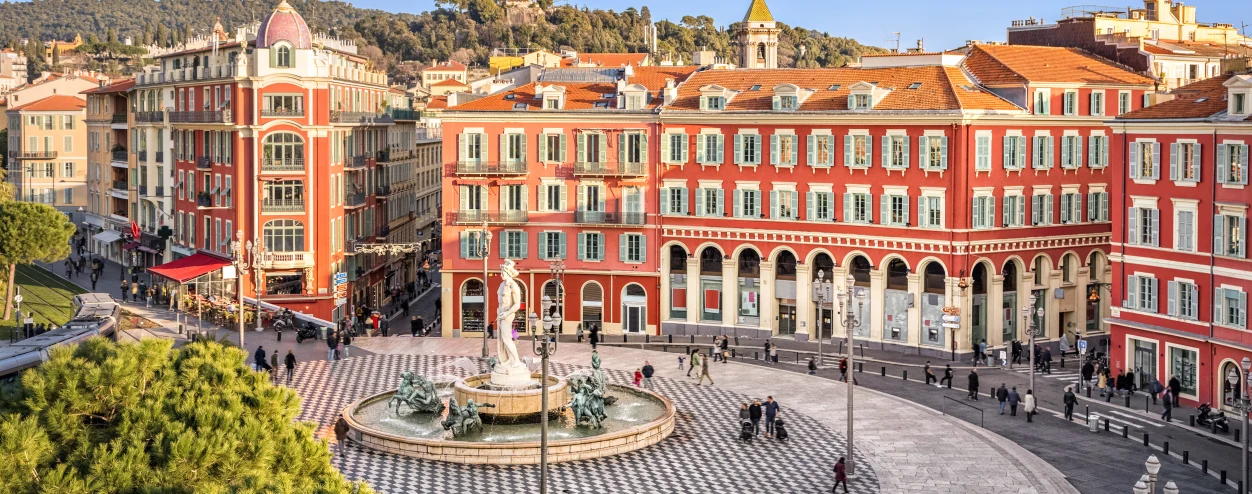




Best known for its sublime coastline, elegant promenade, and vibrant Old Town, Nice also has a remarkable cultural heritage.
The city has long attracted artists and aristocrats, and there's no better way to appreciate this than by exploring the collection of about 15 (depending on how you count them) museums in the city.
From the masterpieces of Marc Chagall and Henri Matisse to the opulent interiors of old palaces and the traditions of Asian art, Nice's museums offer a perspective on the French Riviera beyond its seaside glamour. The following five museums capture different chapters of the city's history, making them essential stops for discovering its cultural treasures.
1. Marc Chagall National Museum
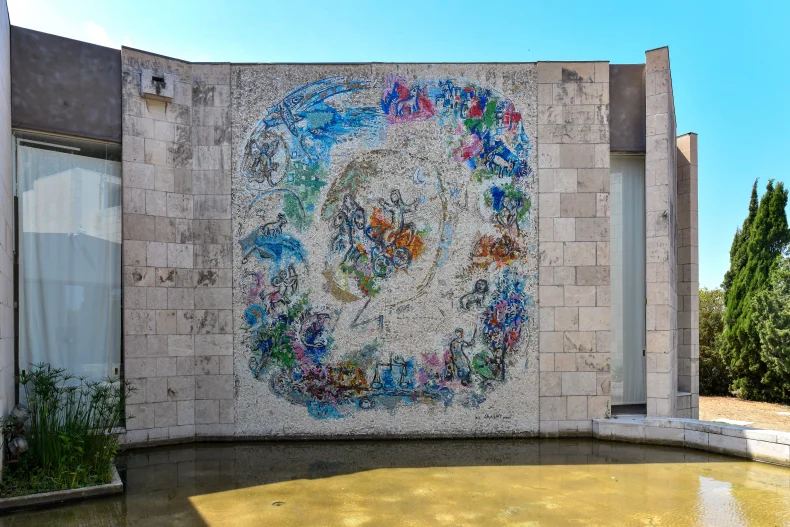
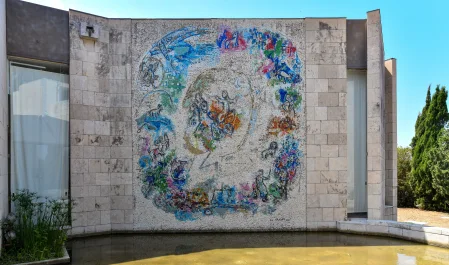
The Marc Chagall National Museum is one of Nice's most distinguished galleries. It showcases the artistic vision of the Russian-born French painter. Opened in 1973 during Chagall's lifetime, the museum houses his celebrated Biblical Message series, a monumental collection of 17 paintings inspired by the Old Testament.
The museum's galleries showcase Chagall's unique artistic language, characterized by vivid colors, floating figures, symbolic imagery, and compositions.

Beyond the celebrated series, the museum holds an extensive collection of drawings, preparatory studies, and other works that provide insight into Chagall's creative evolution. The exhibition spaces and surrounding Mediterranean gardens are perfect for appreciating the artist's talents.
For admirers of modern art, the museum offers an intimate encounter with one of the 20th century's most influential painters, whose artistic expression continues to captivate audiences around the world.
2. Matisse Museum
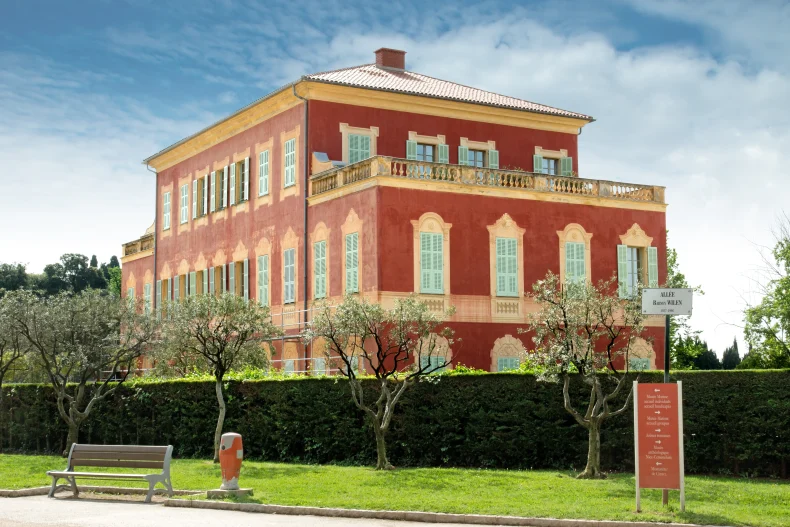
Set among centuries-old olive trees in the elegant Cimiez district, the Matisse Museum celebrates the life and artistic achievements of Henri Matisse. Housed in a restored 17th-century Genoese villa, the museum blends architectural charm with a collection that traces the artist's creative journey.
After moving to Nice, Matisse maintained a close connection with the city until his death in 1954. The distinctive character of the French Riviera strongly influenced his work, shaping his celebrated artistic style.

The museum's collection, assembled largely through donations from Matisse and his family, includes paintings, sculptures, and engravings. Together, these works trace the evolution of his artistic journey, revealing the techniques and themes that shaped his career.
Surrounded by the Cimiez Gardens, the historic villa provides an elegant backdrop for discovering Matisse's legacy, while the nearby Roman archaeological remains offer another glimpse into Nice's fascinating history.
3. Villa Masséna
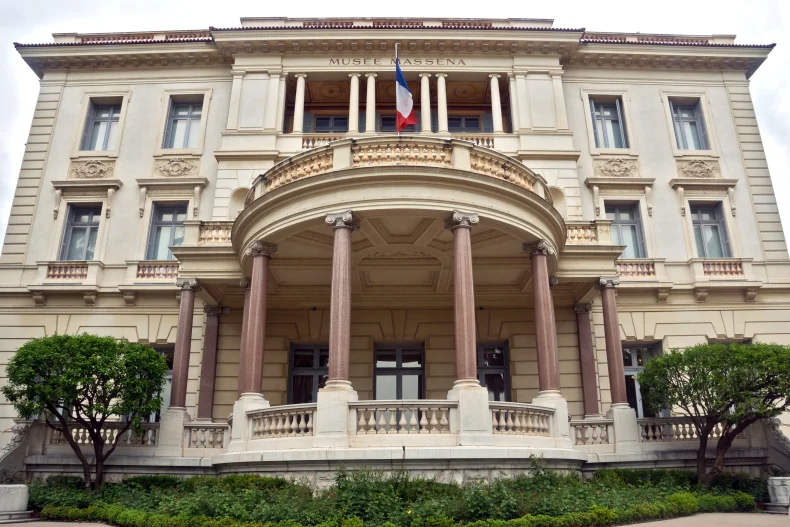
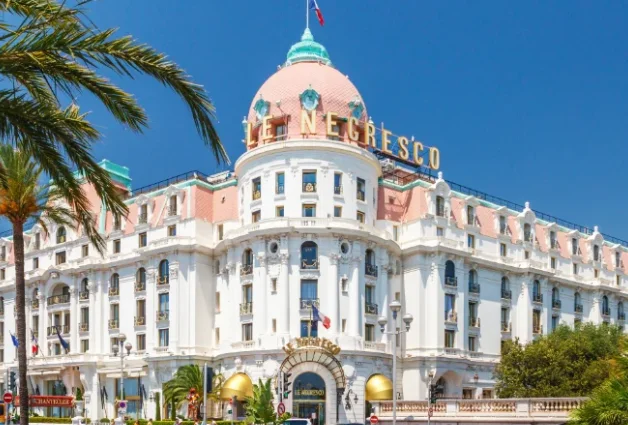
Villa Masséna is among Nice's most magnificent landmarks. This splendid Belle Époque residence, right next to Le Negresco Hotel on Promenade des Anglais, is now home to the Musée Masséna. It offers a fascinating journey into the city's past.
Its grand architecture, richly decorated interiors, and landscaped gardens recall an era when Nice was a winter retreat for European royalty and aristocrats. Its stately reception rooms and refined decorative details evoke the sophistication that defined the Riviera during the late 19th and early 20th centuries.

The museum's collections document the political, cultural, and social evolution of Nice, particularly from the city's incorporation into France in 1860 through the end of the Belle Époque era. Paintings, historical artifacts, decorative arts, and archival materials illuminate the personalities and events that helped establish the city's fame.
4. Palais Lascaris
Tucked away in Vieux Nice (the Old Town), Palais Lascaris is an exquisite example of Baroque design and one of the city's most evocative historic residences. The Lascaris-Vintimille family commissioned it during the 17th century. The palace reflects the Italian cultural influences that characterized Nice's noble society.
Behind its façade lies a series of ornate interiors, including a monumental staircase, elaborate frescoes, and grand reception rooms.
Today, Palais Lascaris houses a museum devoted to decorative arts and the history of music, with collections that include paintings, tapestries, engravings, furnishings, and musical instruments. Its collection of instruments provides a fascinating insight into European musical traditions, particularly those of the Baroque period.
5. Asian Arts Museum
A striking departure from the villas and palaces of Nice, the Asian Arts Museum (Musée départemental des arts asiatiques de Nice) introduces visitors to the artistic traditions and cultural heritage of Asia.
Despite its turbulent origin, the museum is now a significant landmark in the city. Located next to Parc Phoenix in western Nice, the building is the work of renowned Japanese architect Kenzo Tange. Its unique white marble and glass structure rises above an artificial lake, creating a composition of geometric forms and natural light.
Inside, the museum explores the artistic traditions of several major Asian civilizations. Its collections feature sculptures, ceremonial objects, decorative arts, and other works that illustrate the philosophy of these cultures.
Temporary exhibitions and cultural programs complement the permanent displays, offering ways to explore different aspects of Asian heritage. Its blend of innovative architecture and centuries of cultural history adds an international dimension to the French Riviera experience.

View the article image gallery